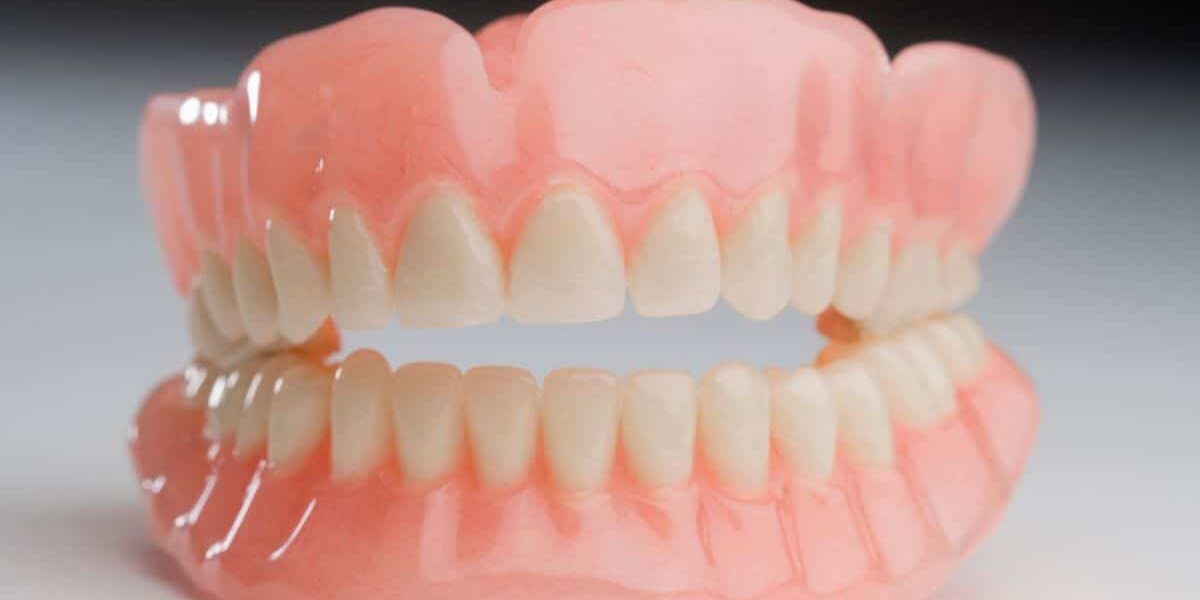
If your dentures have started to feel loose, shift when you eat, or click while you talk, you’re not alone. Many denture wearers notice changes in fit over time, and it’s a common reason people search for advice on dentures in Lower Hutt.
The good news is that a loose fit almost always has an identifiable cause, and there are practical steps you can take to address it.
This guide explains why dentures can loosen over time, what you can do at home, and when it’s worth booking a dental check-up.
At a Glance
- Jaw bone and gum tissue naturally change shape over time, which can affect how a denture sits.
- Weight changes, wear and tear, and denture age can all contribute to a looser fit.
- A relined or adjusted denture can often restore comfort without needing a full replacement.
- Persistent looseness is worth discussing with a dentist rather than managing with adhesive alone.
- Regular check-ups help catch fit changes early, before they affect eating or speaking.
Why Do Dentures Feel Loose Over Time?
Dentures can feel loose because the bone and gum ridge beneath them gradually change shape after tooth loss, causing the appliance to no longer sit as snugly as it once did.
This is one of the most common concerns we hear from patients with dentures in Lower Hutt, and it usually comes down to a process known as bone resorption. It happens gradually and is a normal part of life after tooth extraction.
How Bone and Gum Changes Affect Fit
When natural teeth are removed, the jawbone that once supported them is no longer stimulated in the same way. Over months and years, this bone can gradually reduce in volume and change shape.
Because a denture is custom-fitted to the contours of your gums and jaw at the time it’s made, these ongoing changes mean the appliance may no longer match your mouth as closely as it did originally.
This is a natural process and doesn’t mean anything has gone wrong with your denture. It’s simply a reason why periodic review and adjustment are part of normal denture care.
Weight Changes and Denture Fit
Changes in body weight can also affect facial and gum tissue, which in turn can influence how a denture sits. Noticeable weight loss or gain over a relatively short period is sometimes linked to patients reporting a change in comfort or stability with their existing denture.
Could Wear and Tear Be the Cause?
Yes, general wear and ageing of the denture material itself can contribute to a looser or less stable fit over time, particularly with dentures that are several years old. Like any dental appliance, dentures are subject to gradual wear from daily use, cleaning, and exposure to changes in temperature and moisture.
Signs Your Denture May Be Wearing Down
- The biting surface feels less even than before
- The denture feels different in shape compared to when it was first fitted
- You notice more frequent slipping during meals or conversation
- The colour or surface texture has changed noticeably
Most dental professionals suggest a general check-up every 12 months, alongside a fuller reline or replacement review every few years, as materials can shift and wear even with careful use and cleaning. Your clinician can assess whether a reline, repair, or new denture is the most suitable next step for your situation.
What Can Be Done About a Loose Denture?
A loose denture can often be improved through a professional adjustment, reline, or in some cases a replacement, depending on the underlying cause identified during a dental assessment. It’s important to avoid relying solely on over-the-counter adhesives as a long-term solution, since these don’t address the underlying change in fit.
Common Options a Dentist May Consider
- Reline: The inner surface of the existing denture is refitted to match your current gum and bone shape.
- Adjustment: Minor reshaping to improve comfort, bite, or stability.
- Repair: Addressing any cracks, chips, or damage affecting fit.
- New denture: Consider when the existing appliance can no longer be adjusted to suit your mouth.
Your clinician will discuss which option may be appropriate after assessing your individual circumstances. Treatment outcomes vary depending on individual clinical factors, so a personalised recommendation is always made following a proper assessment.
When Should You See a Dentist About a Loose Denture?
You should see a dentist if your denture feels loose for more than a few days, causes sore spots, affects your ability to eat or speak comfortably, or has become noticeably different in fit compared to previous months. Ongoing looseness can lead to irritation of the gums or difficulty chewing, so it’s best not to leave it unaddressed.
What Happens at a Denture Review Appointment
During a review, your dentist will typically check the fit of your denture against your current gum and jaw shape, look for signs of wear or damage, and discuss whether an adjustment, reline, or other option may help. This assessment helps identify the specific cause behind the change in fit, rather than guessing at a fix.
Caring for Your Dentures Between Visits
Good daily habits can help support a stable fit and extend the comfortable life of your denture:
- Remove and rinse your denture after meals where possible
- Brush gently with a soft brush designed for dentures
- Soak your denture overnight in an appropriate solution
- Avoid using hot water, which can distort the shape of the appliance
- Attend recommended check-ups so any fit changes can be picked up early
Frequently Asked Questions
Why does my denture suddenly feel looser than before?
A sudden change in fit is often linked to gum or bone changes, weight fluctuation, or general wear of the denture material. A dentist in Lower Hutt can review your denture to help identify the specific cause and the most suitable next step for your situation.
Can a loose denture be fixed without getting a completely new one?
In many cases, yes. A reline or adjustment can often improve the fit of an existing denture without the need for full replacement, though this depends on the condition of the appliance and your individual circumstances.
Is it normal for dentures to need adjusting over time?
Yes, this is a normal and expected part of denture care, since gum and bone shape can continue to change gradually over the years. Regular reviews help ensure your denture continues to fit as comfortably as possible.
Should I use denture adhesive if my denture feels loose?
Adhesive may offer short-term reassurance, but it isn’t a substitute for addressing the underlying cause of a loose fit. If looseness continues, it’s best to have the denture properly assessed.
How often should dentures be reviewed by a dentist?
Many dental professionals suggest a general check-up every 12 months, though this can vary depending on your individual oral health and how your denture is fitting. Your clinician can advise on a suitable review schedule for you.
Conclusion
A loose denture is a common experience and usually has an identifiable, manageable cause, whether that’s natural changes in your gums and jawbone, general wear, or a change in body weight.
Rather than adjusting to discomfort or relying on adhesive alone, a professional review can help identify what’s going on and what options may help restore a comfortable fit.
If you’re noticing changes in how your denture fits, the team at Hutt Dental Hub Lower Hutt can assess your situation and discuss the options available to you. A personalised treatment plan can be developed following a thorough consultation, so you can make an informed decision about your next step.
Sources:
- https://www.govt.nz/browse/health/gps-and-prescriptions/government-help-with-dental-costs/
- https://pubmed.ncbi.nlm.nih.gov/7943496/
- https://my.clevelandclinic.org/health/treatments/10900-dentures
- https://medlineplus.gov/dentures.html

Hutt Dental Hub is a dental clinic serving the Lower Hutt community. Our dentist in Lower Hutt provides a wide range of services including general dentistry, dental implants, orthodontics, emergency appointments, and dental sedation. Using advanced 3D digital technology, we deliver accurate, patient-focused care. As NZDA members, our team is committed to ongoing professional development and best practice.