
If your gums bleed a little when you brush, it is easy to shrug it off, but that small sign is something your dentist will want to assess. A dental checkup in Lower Hutt includes more than examining your teeth for decay.
Your dentist also checks your gums for signs of inflammation, infection, recession, and other changes that may indicate gum disease. This is important because gum disease is common in New Zealand and can develop quietly, sometimes without noticeable pain or discomfort.
In this article, you will learn why gum health is assessed during routine dental checkups, how your dentist evaluates your gums, and which warning signs may need attention. You will also discover how daily brushing, cleaning between your teeth, and regular dental visits can support healthier gums.
Whether you are due for a routine appointment or have noticed bleeding, swelling, or tenderness, understanding what your dentist checks can help you feel more prepared and confident about maintaining your oral health.
At a Glance
- Gum health is checked at every dental checkup because gum disease is common and often painless in its early stages.
- Dentists inspect your gums and gently measure the small gap between each tooth and gum to look for signs of inflammation.
- Early gum disease (gingivitis) can often be reversed, while advanced disease (periodontitis) can be managed but not undone.
- Gum health is linked to conditions such as heart disease and diabetes, so your gums offer clues about your overall wellbeing.
- The New Zealand Dental Association suggests most people have a checkup at least every six months.
What Happens to Your Gums During a Dental Checkup in Lower Hutt?
During a routine dental check-up, your dentist or hygienist examines your gums for redness, swelling, and bleeding, then gently probes the space between each tooth and gum to check for signs of periodontal disease. This gum assessment is a standard part of every routine visit.
Your gums sit snugly around each tooth, forming a shallow groove. In healthy gums this groove is small and firm. When bacteria and plaque build up, the gums become inflamed and the groove can deepen into a “pocket”. During a dental check-up in Lower Hutt, checking these areas helps your dentist identify early changes that may not be noticeable at home.
This part of the visit usually takes only a few minutes and is painless for most people. It sits alongside checking your teeth for decay, so nothing about your gum health is left to guesswork.
Why Do Dentists Check Gum Health at Every Visit?
Dentists check gum health at every visit because gum disease is very common and usually painless in its early stages, which means many people do not realise they have it. At a dental clinic in Lower Hutt, regular checks allow inflammation to be spotted and treated before it damages the bone that supports your teeth.
Gum disease, also called periodontal disease, is a leading cause of tooth loss in adults. According to the New Zealand Dental Association, gum disease often goes unnoticed because it is not painful, your gums may simply look red, swollen or bleed a little during cleaning.
Because the early stage (gingivitis) can often be reversed with professional cleaning and good home care, catching it early makes a real difference. Left unchecked, it can progress to periodontitis, where the damage to bone and tissue is no longer reversible.
What Signs of Gum Disease Does a Dental Checkup Look For?
A routine dental examination looks for gum redness, swelling, bleeding, receding gums, persistent bad breath, and deepening pockets between the teeth and gums. These are common early and advanced signs of gum disease that a dentist is trained to recognise.
- Gums that are red, puffy or tender rather than firm and pink
- Bleeding when you brush, floss or during the examination
- Gums that appear to be pulling away from the teeth (receding)
- Ongoing bad breath or an unpleasant taste
- Teeth that feel loose or have shifted position
- Deeper-than-normal pockets found during gentle probing
Many of these signs are subtle, which is why a professional check picks up problems that are easy to miss on your own.
How Is Gum Health Actually Measured?
Gum health is measured using a small, blunt instrument called a periodontal probe, which gently checks the depth of the space between each tooth and gum. Shallow measurements suggest healthy gums, while deeper pockets can indicate gum disease.
The probe is marked like a tiny ruler. Your dentist or hygienist rests it in the groove around each tooth and notes the depth in millimetres. During a dental check-up, these measurements help assess gum health. Healthy pockets are usually shallow, while deeper readings may indicate inflammation and possible bone loss beneath the gums.
Your dentist may also check whether your gums bleed when probed, look at any gum recession, and sometimes take X-rays to see the bone level around the roots. Together these give a clear picture of your gum health and how it changes over time.
How Are Gum Health and Overall Health Connected?
Gum health is connected to overall health because the inflammation and bacteria involved in gum disease are linked to conditions elsewhere in the body. New Zealand’s Ministry of Health notes that oral diseases are closely linked with cardiovascular disease, diabetes and stroke.
This does not mean gum disease directly causes these conditions, but the relationship can work in both directions. For example, people with diabetes can be more prone to gum disease, and gum inflammation can make blood sugar harder to manage.
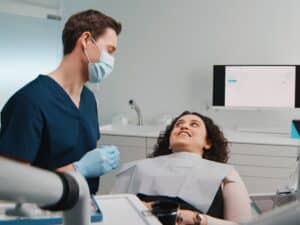
Because of this connection, the few minutes your dentist spends checking your gums can offer useful clues about your general wellbeing, another reason gum health is never skipped during a checkup.
How Often Should You Book a Dental Checkup in Lower Hutt?
Most people should book a dental checkup in Lower Hutt at least every six months, though some may need to visit more often. The New Zealand Dental Association recommends regular examinations so gum disease and other issues can be found and managed early.
Your ideal frequency depends on your individual needs. People with a history of gum disease, or risk factors such as smoking or diabetes, may be advised to come in more often for monitoring and professional cleaning.
Healthify NZ also recommends visiting your dentist and hygienist regularly for a check-up and professional clean. This removes hardened plaque (calculus) from areas that brushing and flossing cannot reach, helping to keep your gums healthy between visits. Your dentist can suggest a schedule that suits your mouth.
Frequently Asked Questions
Does checking my gums during a dental checkup hurt?
For most people, checking the gums is painless. Your dentist uses a small, blunt probe to gently measure the space around each tooth, which usually feels like light pressure. If your gums are inflamed, you may notice mild tenderness or slight bleeding, which is helpful information for your dentist.
Can gum disease be reversed?
Early gum disease, known as gingivitis, can often be reversed with professional cleaning and good daily brushing and flossing. Once it progresses to periodontitis, the damage to bone and tissue cannot be undone, but the condition can usually be managed and stabilised with ongoing care.
Why do my gums bleed when I brush?
Bleeding gums are often an early sign of gum inflammation caused by plaque build-up along the gumline. It is one of the first things a dental checkup looks for. While common, bleeding gums should not be ignored, so it is worth mentioning to your dentist at your next visit.
How often should I have a dental checkup in Lower Hutt?
The New Zealand Dental Association recommends most people have a checkup at least once every six months. Some people may need more frequent visits depending on their gum health, medical history and other risk factors. Your dentist can recommend a schedule based on your needs.
What happens if gum disease is found during my checkup?
If early gum disease is found, your dentist may recommend a professional clean and improved home care to help your gums recover. For more advanced cases, further treatment or more frequent monitoring may be discussed. A personalised plan can be talked through with you during your appointment.
Conclusion
Your gums are just as important as your teeth, and that is why gum health is evaluated at every dental checkup. Because gum disease is common and often painless early on, these regular checks are an effective way to catch problems while they are still easy to manage. From a quick visual look to gentle probing and, when needed, X-rays, each step helps protect both your smile and your overall health.
If you are overdue for a visit or have noticed bleeding or sore gums, booking a dental checkup in Lower Hutt is a simple, positive step. The team at Hutt Dental Hub Lower Hutt is happy to talk through what to expect and help you keep your gums healthy for the long term.
Sources:
- New Zealand Dental Association (NZDA), Periodontal (Gum) Disease Information, https://www.nzda.org.nz/public/your-oral-health
- HealthEd New Zealand, Gum Disease and Oral Health Education Resources, https://healthed.govt.nz/collections/topic-teeth-and-oral-health
- Ministry of Health NZ (Manatū Hauora), Oral diseases linked to general health conditions: health.govt.nz/news/highlighting-the-importance-of-healthy-teeth-and-gums
- Healthify NZ, Gum conditions and care: healthify.nz/health-a-z/g/gum-conditions-and-care

Hutt Dental Hub is a dental clinic serving the Lower Hutt community. Our dentist in Lower Hutt provides a wide range of services including general dentistry, dental implants, orthodontics, emergency appointments, and dental sedation. Using advanced 3D digital technology, we deliver accurate, patient-focused care. As NZDA members, our team is committed to ongoing professional development and best practice.