If you are considering a dental implant, you may have been told you need a bone graft first, or you may be wondering whether you will. It is a common question, especially after long-term tooth loss or gum disease.
Bone grafting is needed before a dental implant when there is not enough healthy jawbone to hold the implant securely. Whether you need one depends on how much bone you have, where the missing tooth is, how long the gap has been there, and your overall oral health.
Hearing that you may need an extra procedure can feel daunting, especially if you were hoping for a simple tooth replacement. Understanding why grafting is sometimes recommended can make the conversation with your dental team easier.
This guide explains what bone grafting is, why jawbone can shrink, when grafting may be recommended, what the process involves, and the questions worth asking at your consultation.
At a Glance
- A bone graft adds bone to the jaw where there is not enough to support an implant.
- Jawbone can gradually shrink after a tooth is lost or removed.
- Gum disease, injury, long-term denture wear and sinus position can also affect bone levels.
- Healing time before implant placement varies, and is often several months.
- Only a dental examination with imaging can confirm whether grafting is needed.
What Is Bone Grafting for Dental Implants?
Bone grafting for dental implants is a surgical procedure that adds bone or bone-substitute material to an area of the jaw where bone is thin or missing. Over time, the material acts as a framework for your own bone to grow into. People exploring dental implants in Lower Hutt may hear this term during their assessment.
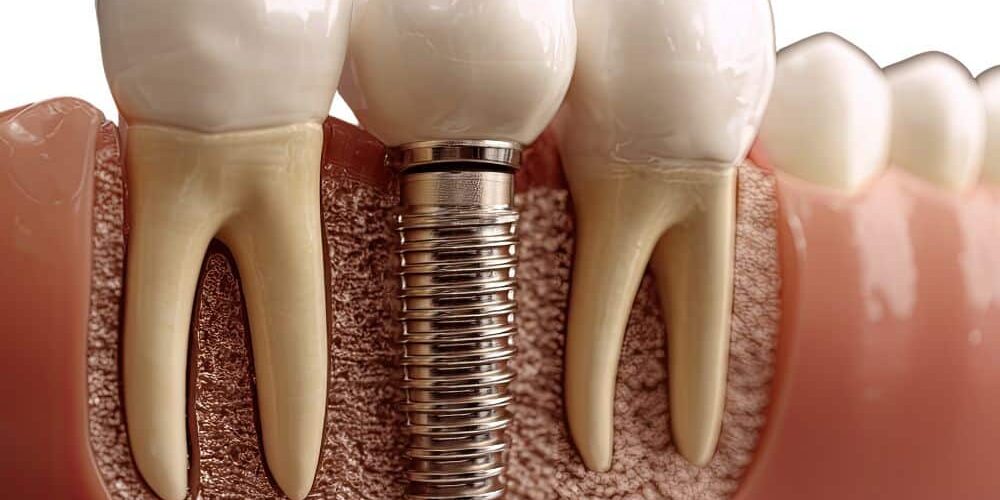
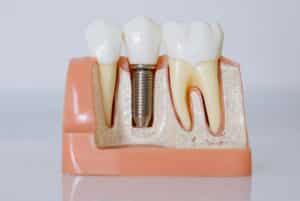
A dental implant is a small titanium or ceramic post placed in the jawbone to replace the root of a missing tooth. For an implant to be stable, it needs enough bone around it in height, width and density.
When bone levels are too low, an implant may not have the support it needs. A graft aims to rebuild the area so that implant placement can be considered.
Not everyone needs grafting. Many people have enough bone for an implant to be placed without it, and some cases can be managed with different implant sizes or positions.
Why Does the Jawbone Shrink After Tooth Loss?
The jawbone can shrink after tooth loss because the bone that once held the tooth root is no longer being stimulated by chewing. Without that stimulation, the body may gradually reabsorb some of the bone. This process is called bone resorption, and it can begin in the months after a tooth is removed.
The longer a gap is left, the more bone may be lost, although the rate varies between people.
Other factors that can reduce jawbone include:
- Gum disease (periodontitis), which can destroy the bone supporting teeth
- Dental infections or abscesses
- Injury or trauma to the mouth
- Long-term wear of removable dentures
- Teeth that never developed in the first place
For this reason, discussing replacement options soon after an extraction may be helpful.
When Is Bone Grafting Needed Before a Dental Implant?
Bone grafting may be needed before a dental implant when scans show the jawbone is too thin, too short or too soft to support an implant safely. The decision is based on an examination, X-rays or a 3D scan, and the planned position of the implant.
Common situations where grafting may be considered include:
- A tooth was lost a long time ago, and the bone has narrowed or lowered.
- Gum disease has caused bone loss around the missing tooth.
- A tooth was removed after infection or injury, leaving a damaged socket.
- Upper back teeth are missing and the sinus sits close to the jaw, leaving little bone height.
- Front teeth sit over thin bones, affecting support and appearance.
A dentist in Lower Hutt can explain what your scans show and whether grafting is likely to be part of your plan.
At Hutt Dental Hub in Lower Hutt, implant assessments include a discussion of bone levels, treatment stages and expected timeframes. Anyone weighing up dental implants in Lower Hutt can ask at their consultation whether grafting may be needed and how it could affect treatment time.
What Types of Bone Grafts Are Used?
There are several types of bone grafts used in implant dentistry, and the right choice depends on how much bone is needed and where. The graft material may come from your own body, a donor, an animal source or a synthetic substitute.
The main types of graft material are:
- Autograft: bone taken from another area of your own body, often elsewhere in the jaw
- Allograft: processed bone from a human donor
- Xenograft: processed bone from an animal source, usually bovine
- Alloplast: a synthetic, bone-like material
Common grafting procedures include:
- Socket preservation: graft placed at extraction to help limit shrinkage
- Ridge augmentation: rebuilding the width or height of the jawbone
- Sinus lift: adding bone under the sinus floor in the upper back jaw
A dentist in Lower Hutt can explain which approach may suit you and whether referral is appropriate for more complex grafting.
What Happens During Bone Grafting and Recovery?
During bone grafting, the area is numbed with local anaesthetic, the gum is opened, graft material is placed, and the site is closed with stitches. A protective membrane is sometimes used. Smaller grafts can often be done in the dental chair, while larger grafts may need to be done in a hospital setting.
After the procedure, some swelling, bruising and discomfort are common for a few days. Your dental team will give aftercare instructions, which may include pain relief, soft foods, gentle cleaning and avoiding smoking.
The graft material acts as a scaffold for your own bone to grow into, which may take between four and twelve months. Timeframes vary depending on the type and size of the graft and individual circumstances. In some cases, a small graft can be placed at the same time as the implant.
What Are the Risks, and Is Grafting Always Needed?
Like any surgical procedure, bone grafting carries some risks, including infection, swelling, graft material not integrating as planned, and, rarely, nerve or sinus complications. Smoking, diabetes and gum disease may increase these risks. Sometimes there is still not enough bone after healing, and further grafting may be needed.
For people considering dental implants, grafting is one option among several rather than a routine step for everyone.
Grafting is not always needed. Depending on your bone, alternatives may include shorter or narrower dental implants, angled implant positions, a bridge, or a denture.
Frequently Asked Questions
How do I know if I need a bone graft for an implant?
Only a dental examination with X-rays or a 3D scan can confirm whether you have enough bone for an implant. Your dentist will assess bone height, width and quality at the planned implant site.
Is bone grafting painful?
The area is numbed with local anaesthetic, so discomfort during the procedure is usually limited. Some discomfort, swelling and bruising are common afterwards and are usually managed with pain relief and aftercare.
How long after a bone graft can I get an implant?
Healing often takes several months before an implant is placed, but this varies with the type and size of the graft. In some cases, a small graft can be placed at the same time as the implant.
Can I avoid bone loss after a tooth extraction?
Socket preservation, where graft material is placed at the time of extraction, may help limit bone shrinkage. Discussing replacement options early can also help with planning.
Does a bone graft always work?
Bone graft outcomes vary between individuals and cannot be guaranteed. Smoking, infection and some health conditions can affect healing, and occasionally a graft needs to be repeated.
Final Thoughts
Bone grafting may be needed before a dental implant when the jawbone is too thin, short or weak to support an implant. Tooth loss, gum disease, injury, long-term denture wear and sinus position can all play a part, and the amount of bone needed differs from person to person.
As of 2026, a thorough assessment with imaging is an important first step, as it shows whether grafting is needed and which options may suit you.
If you are missing a tooth and want to understand your options, Hutt Dental Hub in Lower Hutt can assess your jawbone, explain whether grafting may be part of your plan, and talk through a personalised approach based on your needs.
Sources:
- Cambridge University Hospitals NHS Foundation Trust. Bone Grafting for Dental Implants. Available at:
https://www.cuh.nhs.uk/patient-information/bone-grafting-for-dental-implants/ - Leeds Teaching Hospitals NHS Trust. Dental Implants. Available at: https://www.leedsth.nhs.uk/patients/resources/dental-implants/
- American Dental Association – MouthHealthy. Implants. Available at:
https://www.mouthhealthy.org/all-topics-a-z/implants - American Dental Association. Statement on Dental Implant Practices in the News. Available at: https://www.ada.org/about/press-releases/statement-on-dental-implant-practices-in-the-news

Hutt Dental Hub is a dental clinic serving the Lower Hutt community. Our dentist in Lower Hutt provides a wide range of services including general dentistry, dental implants, orthodontics, emergency appointments, and dental sedation. Using advanced 3D digital technology, we deliver accurate, patient-focused care. As NZDA members, our team is committed to ongoing professional development and best practice.