Losing a tooth changes more than your smile. Over time, the jawbone that once held the tooth can start to shrink. Many people do not notice this at first, but it can affect how nearby teeth sit, how dentures fit, and even the shape of the face.
Many patients ask whether dental implants can prevent jawbone loss after tooth loss. The honest answer is that dental implants may help preserve the jawbone in the area where they are placed, but they cannot guarantee that all bone loss will stop. Results depend on bone health, gum health, general health and how well the implant is cared for.
In this guide, you will learn why bone loss happens, how dental implants work with the jawbone, how they compare with other tooth replacement options, and what can be done if bone has already been lost. The information here is general and is not a substitute for a dental assessment.
At a Glance
- The jawbone needs regular stimulation from tooth roots to maintain its volume.
- Bone loss after a tooth is removed is usually fastest in the first few months to a year.
- Dental implants replace the tooth root and may help preserve bone at the implant site.
- Implants cannot reverse bone loss that has already happened, and outcomes vary.
- Bone grafting may be an option for people who have already lost their jawbone.
What Happens to Your Jawbone After Tooth Loss?
After a tooth is lost, the part of the jawbone that supported it, called the alveolar bone, gradually shrinks through a process known as bone resorption. This happens because the bone no longer receives the pressure and stimulation that a tooth root normally passes on during chewing.
Bone loss tends to be fastest soon after a tooth is removed, and studies suggest meaningful reductions in bone volume can occur in the first one to three years. A dental assessment can give a clearer picture of how this may apply to your situation. Many people looking for a dental implant in Lower Hutt are surprised by how quickly these changes can begin.
Bone loss can make implant treatment more complex, so timing matters. People who are comparing options with a dental implant in Lower Hutt are often advised to plan tooth replacement early, before significant bone has been lost. A dental assessment with X-rays or a 3D scan can show how much bone is available.
How Do Dental Implants Help Preserve Jawbone?
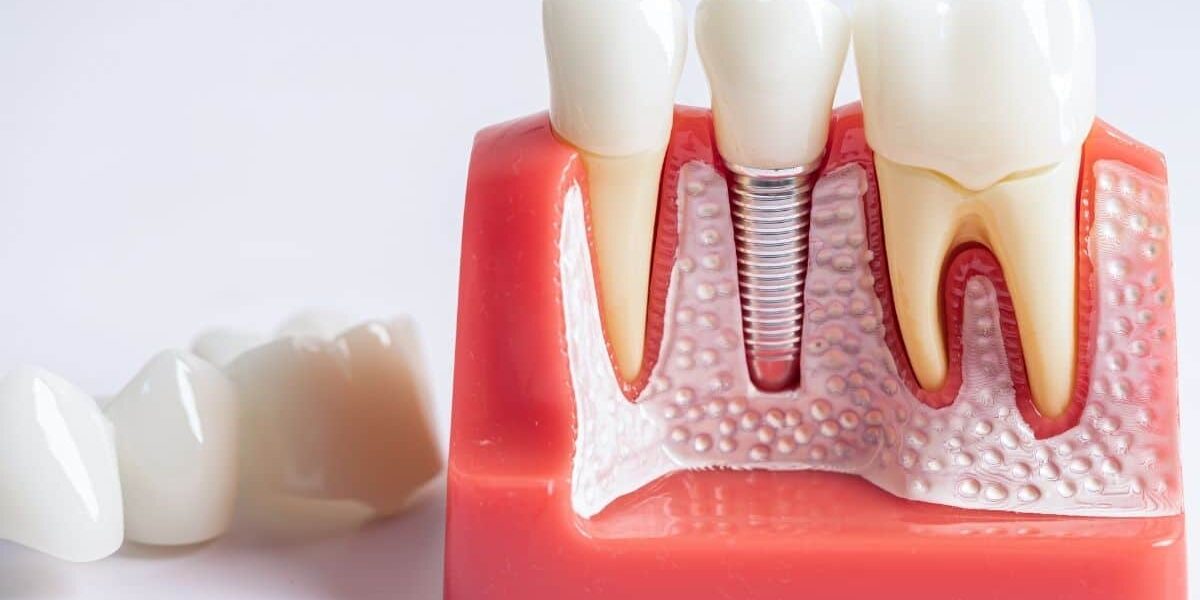
A dental implant is a small titanium or zirconia post placed in the jawbone to replace a missing tooth root. Because the implant sits inside the bone, it can pass chewing forces into the jaw in a similar way to a natural root, which may help maintain bone at that site. Once healed, it supports a crown, bridge or denture.
Osseointegration
Osseointegration is the process where the jawbone grows closely around the surface of a dental implant, forming a stable connection between bone and implant over a healing period that usually takes several months. When it is successful, the implant becomes firmly anchored and can support a replacement tooth.
Chewing Stimulation
Chewing stimulation is the pressure that biting and chewing place on the jawbone, which helps signal the bone to maintain its volume. With an implant-supported tooth, these forces travel through the implant into the surrounding bone, much as they would through a natural root. This is thought to be one reason implants may help slow bone loss compared with leaving a gap.
Can Dental Implants Fully Prevent Jawbone Loss?
Dental implants cannot fully prevent jawbone loss in every case, but they may help preserve bone around the implant itself. They do not stop bone changes elsewhere in the mouth, and some bone remodelling around an implant is normal, so outcomes vary from person to person.
Several factors can affect bone around an implant, including gum disease, smoking, diabetes, teeth grinding and poor oral hygiene. Peri-implantitis, which is inflammation of the gum and bone around an implant, can lead to bone loss if it is not treated. Regular check-ups help catch these problems early.
Before treatment, a dental clinic in Lower Hutt can check bone levels, gum health and medical history to help decide whether implants are a suitable option. This assessment also helps set realistic expectations about what implants can and cannot do.
At Hutt Dental Hub Lower Hutt, implant treatment begins with a consultation where bone health, treatment options and likely costs can be discussed. A personalised treatment plan can then be talked through before any decision is made.
How Do Implants Compare With Bridges and Dentures for Bone Health?
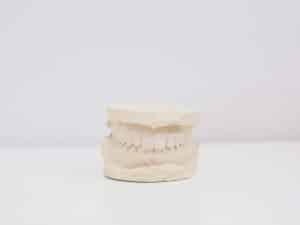
Dental implants are the only common tooth replacement that sits inside the jawbone. Bridges and dentures replace the visible part of the tooth but not the root, so they do not pass chewing forces into the bone in the same way. As a result, bone under the gap may continue to shrink over time.
A dental bridge is a false tooth held in place by crowns on the neighbouring teeth. The bone under the false tooth is not directly stimulated. A removable denture rests on the gums, and some people find their dentures need relining over the years as the bone underneath changes.
Each tooth replacement option has its own benefits, costs and limitations. A dentist in Lower Hutt can explain how each choice may affect your bone, your remaining teeth and your budget.
Who Is a Suitable Candidate for Dental Implants?
A suitable candidate for dental implants generally has healthy gums, enough jawbone to support an implant, and good general health. They also need to keep up daily oral care and regular dental visits, because these habits help protect the implant over the long term.
Some factors may make implant treatment more complex or less predictable. Your dentist will usually check for the following:
- Untreated gum disease or tooth decay
- Heavy smoking
- Poorly controlled diabetes
- Certain medications that affect bone healing
- Significant bone loss in the area
ACC funding criteria for dental implants can change over time. If your tooth loss was caused by an accident, it is worth checking directly with ACC or your dentist about whether any contribution may apply to your situation.
What If You Have Already Lost Jawbone?
If you have already lost your jawbone, dental implants may still be possible, but bone grafting is often needed first. Bone grafting is a procedure that adds bone or bone-substitute material to the jaw to rebuild lost volume so an implant can be placed securely. The graft usually needs to heal before the implant is placed.
Bone grafting can be done in different ways. A socket graft may be placed when a tooth is removed to help reduce early bone loss. A sinus lift may be used in the upper back jaw, where bone is often thinner. Healing times vary, and not every grafting procedure is successful.
Your dentist can explain which dental implant type and placement approach, if any, may suit your mouth.
Frequently Asked Questions
How soon after tooth loss does jawbone loss start?
Jawbone changes can begin within weeks of a tooth being removed, and bone loss is usually fastest in the first few months to a year. Planning tooth replacement early may help reduce the amount of bone lost.
Do dental implants stop bone loss completely?
No, dental implants cannot guarantee that bone loss will stop completely. They may help preserve bone at the implant site, but gum disease, smoking and other health factors can still affect bone levels, so regular check-ups remain important.
Can I get an implant if I have already lost bone?
Many people can, but some may need bone grafting before an implant is placed. A dental assessment with X-rays or a 3D scan can show whether there is enough healthy bone to support an implant.
Do dentures cause jawbone loss?
Dentures do not directly cause bone loss, but they do not replace tooth roots or stimulate the jawbone. The bone under a denture may continue to shrink over time, which can affect how well the denture fits.
Final Thoughts
Jawbone loss is a natural response to losing a tooth, and it often begins sooner than people expect. Dental implants may help preserve bone at the implant site, though they cannot reverse past bone loss or guarantee results.
Early advice, healthy gums and regular check-ups all play a part in protecting the jawbone, whichever tooth replacement option you choose. A dental assessment can show which options may be suitable.
If you are considering replacing a missing tooth, the team at Hutt Dental Hub Lower Hutt can assess your bone and gum health and talk you through suitable options. Treatment outcomes vary depending on individual circumstances, and a personalised plan can be discussed during your consultation.
Sources:
- Cambridge University Hospitals NHS Foundation Trust. Bone Grafting for Dental Implants. Available at:
https://www.cuh.nhs.uk/patient-information/bone-grafting-for-dental-implants/ - American Dental Association – MouthHealthy. Implants. Available at:
https://www.mouthhealthy.org/all-topics-a-z/implants - American Dental Association. Statement on Dental Implant Practices in the News. Available at: https://www.ada.org/about/press-releases/statement-on-dental-implant-practices-in-the-news
- Leeds Teaching Hospitals NHS Trust. Dental Implants. Available at: https://www.leedsth.nhs.uk/patients/resources/dental-implants/

Hutt Dental Hub is a dental clinic serving the Lower Hutt community. Our dentist in Lower Hutt provides a wide range of services including general dentistry, dental implants, orthodontics, emergency appointments, and dental sedation. Using advanced 3D digital technology, we deliver accurate, patient-focused care. As NZDA members, our team is committed to ongoing professional development and best practice.