Losing teeth or noticing changes in your bite can feel unsettling, especially if you’re not sure what’s normal and what’s a sign you need help. If you’ve been wondering whether dentures in Lower Hutt could be the right next step, you’re not alone.
Tooth loss can happen at any stage of adult life, whether from extraction, decay, gum disease, or injury, and it often builds gradually rather than through one dramatic moment.
There is no single situation that makes someone suitable for dentures, and an individual assessment is always the best way to know for sure. This guide walks through the common signs, what they mean, and how a personalised treatment plan can be discussed during a consultation.
At a Glance: Signs You May Need Dentures
- Loose, shifting, or missing teeth that affect chewing or speech
- Frequent gum soreness, infections, or receding gum lines
- Difficulty eating certain foods or noticeable changes in your bite
- Facial sagging or a “sunken” look around the mouth and cheeks
- Existing dentures that no longer fit properly or feel uncomfortable
What Are Dentures and Who Are They For?
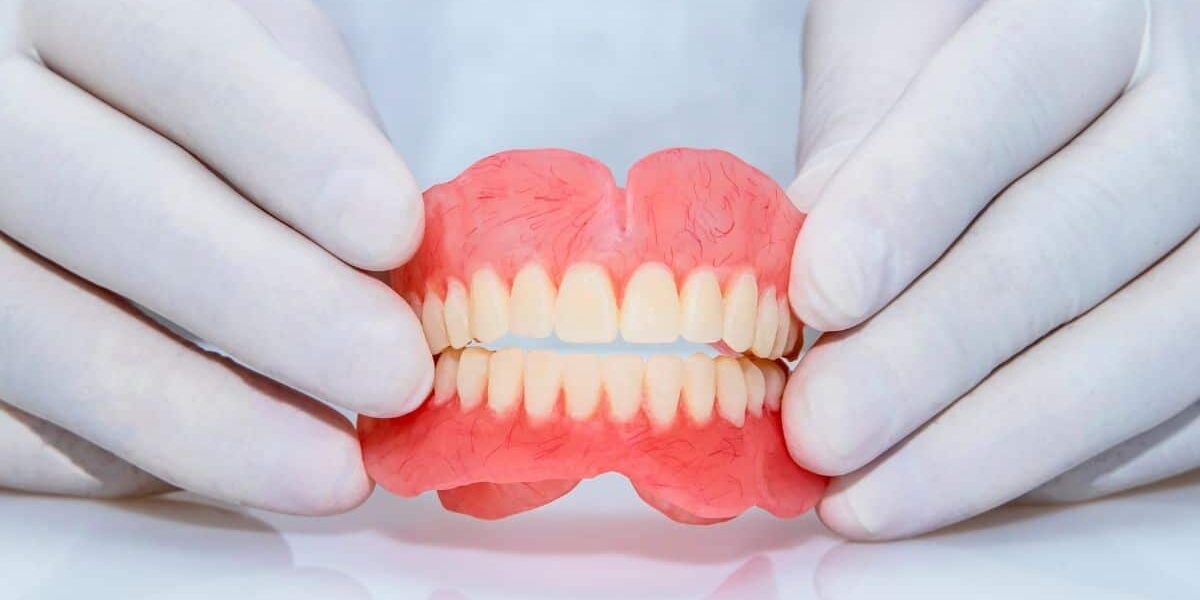
Dentures are removable dental appliances designed to replace missing teeth and restore the look and function of a natural smile. They can replace a full arch of teeth (complete dentures) or just a few missing teeth (partial dentures), depending on individual needs.
Dentures in Lower Hutt are commonly considered by adults who have lost several teeth due to decay, gum disease, or injury. They’re also an option for people whose remaining teeth are too weak or damaged to save. Age isn’t the deciding factor; tooth loss and gum health are.
How Do I Know If I’m Losing Teeth or Gum Support?
Loose or shifting teeth, along with gums that feel tender, swollen, or pull away from the tooth root, are often early signs that the structures supporting your teeth are weakening. These changes can happen gradually, so they’re easy to dismiss at first.
Gum disease (periodontal disease) is one of the leading causes of tooth loss in adults. Left unaddressed, it can wear down the bone and tissue holding teeth in place, eventually making teeth too unstable to keep.
Other signs to watch for include:
- Gums that bleed easily when brushing or flossing
- Teeth that feel loose or have visibly shifted position
- Persistent bad breath or a bad taste that doesn’t go away
- Gum recession that makes teeth look longer than before
If you notice several of these signs together, it’s worth having your gums and teeth assessed rather than waiting for the situation to worsen.
Why Does Chewing Feel Different Lately?
Difficulty chewing certain foods, especially tougher or chewier items, often signals that your teeth or bite are no longer working together the way they used to. This can happen even if you haven’t lost a tooth yet.
Some people notice they’ve started avoiding foods like apples, nuts, or crusty bread without really thinking about why. Others find that chewing on one side of the mouth has become a habit because the other side feels uncomfortable or unstable.
A change in how food feels when you chew, or where you’re chewing from, is a useful clue that your dentist in Lower Hutt can investigate further. It may point to a cracked tooth, worn enamel, or teeth that have shifted out of alignment.
Can Missing Teeth Change the Shape of My Face?
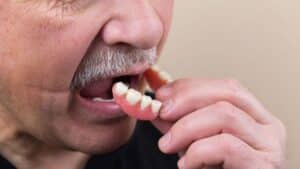
Yes, missing teeth can gradually change facial appearance because the jawbone that once supported those teeth begins to shrink without stimulation from chewing. This is known as bone resorption, and it can lead to a sunken or hollow look around the mouth and lower face.
This process is often slow, which is why the change can be easy to miss day to day but noticeable when comparing older photos. Cheeks may appear to fold inward, and the distance between the nose and chin can seem to shorten slightly as the jaw structure changes.
Replacing missing teeth, whether with dentures or another prosthetic option, can help support facial structure going forward. Treatment outcomes vary depending on individual circumstances, so a consultation is the best way to understand what’s realistic for your situation.
What If My Current Dentures Don’t Fit Well Anymore?
Dentures that feel loose, click when talking, or cause sore spots are usually a sign that your gums and jawbone have changed shape since your dentures were made. This is a normal part of ageing and bone remodelling, not a fault with the original dentures.
Because the mouth’s shape continues to shift over time, most dentures need adjusting, relining, or eventually replacing every few years. Signs your current dentures may need attention include:
- Difficulty keeping them in place while eating or speaking
- Sore or irritated spots that weren’t there before
- Visible wear, cracking, or discolouration
- Needing more adhesive than you used to
If your dentures are affecting your comfort or confidence, it’s worth having them reviewed rather than continuing to adjust around the problem.
Is It Just Ageing, or Something I Should Get Checked?
Some dental changes are a normal part of ageing, but persistent discomfort, ongoing tooth loss, or a bite that keeps changing are not things to simply live with. A dental check-up can clarify what’s happening and what your options are, including whether dentures, partial dentures, or another approach suits your needs best.
Denture materials and fitting techniques have advanced in recent years, and a dentist can explain which options may suit your needs. A personalised assessment is the only way to know which option fits your specific mouth and lifestyle.
Frequently Asked Questions
How do I know if I need full or partial dentures?
This depends on how many natural teeth you still have and how healthy they are. Full dentures replace an entire arch of teeth, while partial dentures fill in gaps around remaining healthy teeth. A dental professional can assess your mouth and recommend which option suits your situation.
At what age do most people need dentures?
There isn’t a specific age when dentures become necessary; it depends on individual oral health, gum condition, and the extent of tooth loss rather than age alone. Adults of any age can be affected, whether tooth loss follows extraction, decay, gum disease, or injury, which is why a personal assessment matters more than age.
Are dentures uncomfortable to wear?
Modern dentures are designed with patient comfort in mind, though there is usually a short adjustment period as your mouth gets used to them. If discomfort continues beyond the initial adjustment phase, they may need refitting.
Can I still eat normally with dentures?
Many denture wearers gradually return to a varied diet, though some adjustment to eating habits is common at first. Softer foods are usually easier in the early days, with harder or chewier foods reintroduced gradually as confidence grows.
How long do dentures typically last?
Denture lifespan varies by individual, but they generally need adjusting, relining, or replacing every few years as the shape of your gums and jaw changes over time.Regular check-ups help identify when adjustments are needed.
Conclusion
Noticing changes in your teeth, gums, or bite doesn’t always point to an obvious problem, but signs like loose teeth, difficulty chewing, or an ill-fitting existing denture are worth having assessed.
Every mouth is different, and a personalised treatment plan can be discussed during a consultation to work out what suits your needs.
If you’ve noticed any of the signs covered in this guide, the team at Hutt Dental Hub Lower Hutt can help you understand your options and take the next step with confidence.
Sources:
- https://www.govt.nz/browse/health/gps-and-prescriptions/government-help-with-dental-costs/
- https://pubmed.ncbi.nlm.nih.gov/7943496/
- https://my.clevelandclinic.org/health/treatments/10900-dentures
- https://medlineplus.gov/dentures.html

Hutt Dental Hub is a dental clinic serving the Lower Hutt community. Our dentist in Lower Hutt provides a wide range of services including general dentistry, dental implants, orthodontics, emergency appointments, and dental sedation. Using advanced 3D digital technology, we deliver accurate, patient-focused care. As NZDA members, our team is committed to ongoing professional development and best practice.