Losing teeth affects more than just your smile. Many people who explore dentures in Lower Hutt are surprised to learn that tooth loss can gradually alter the appearance of their face and that the right dentures may help support a more natural facial structure.
If you’ve noticed changes around your cheeks, lips, or jaw after losing teeth, you’re not imagining it. These changes are well documented and understood in dental care.
The good news is that well-fitted dentures can play a role in restoring support to the facial tissues. This article explains how and why facial changes occur after tooth loss, what role dentures play, and what you can reasonably expect from treatment.
How Tooth Loss Affects the Shape of Your Face
Your teeth do more than help you chew and speak; they provide structural support to the muscles and soft tissues of your face. When teeth are lost, that support reduces.
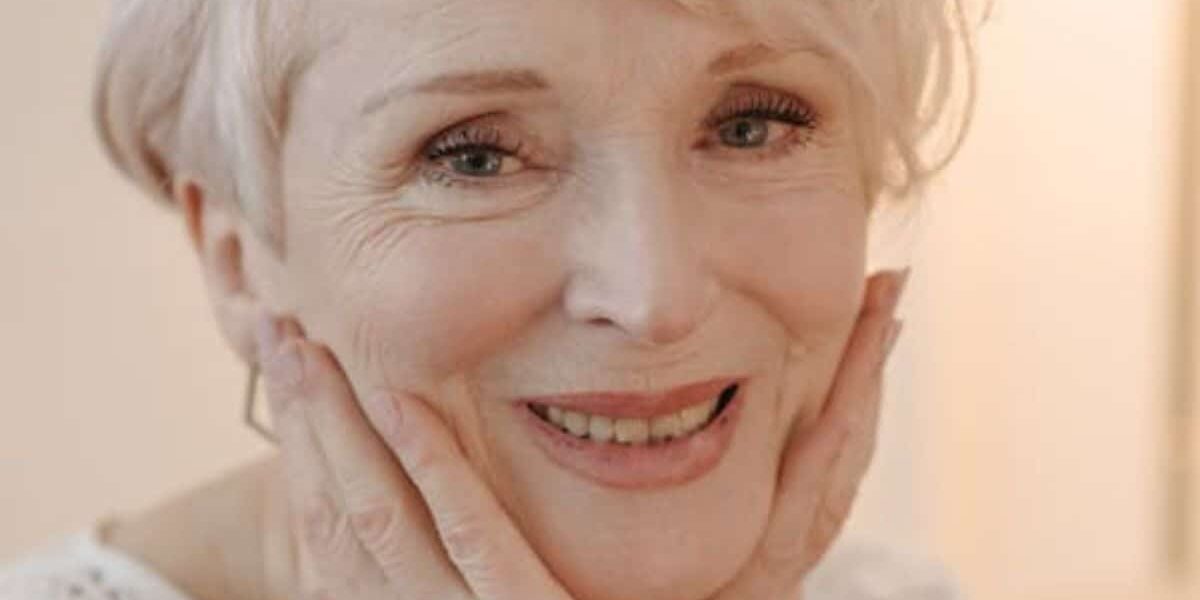
For those researching dentures in Lower Hutt, understanding bone resorption is valuable. As the jawbone shrinks, facial tissue loses its foundation, which can result in a sunken appearance around the mouth and cheeks.
Common facial changes associated with tooth loss include:
- Flattened or hollowed cheeks
- A shorter distance between the nose and chin
- Lips that appear thinner or turned inward
- Deepened lines or folds around the mouth
- A chin that appears more prominent or pointed
These changes tend to develop gradually, which is why many people don’t notice them right away.
Why the Jawbone Changes After Tooth Loss
The jawbone is kept healthy and dense through regular stimulation from chewing. When teeth are present, every bite sends signals through the tooth roots into the bone, encouraging it to maintain its density.
Once a tooth is removed, that stimulation stops in that area. The bone no longer receives the signals it needs, and over months and years, it slowly shrinks. This is known as alveolar bone loss.
The longer teeth remain missing, the more significant this bone loss tends to become. This is why dental clinics in Lower Hutt professionals often discuss replacement options soon after tooth loss to help slow down the progression of bone changes where possible.
Can Dentures Restore Facial Support?
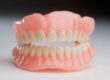
Dentures are designed to replace missing teeth and restore the functional and aesthetic aspects of the mouth. One of their key roles is helping to re-establish the vertical dimension, the height between the upper and lower jaws that is naturally maintained by the teeth.
When dentures are well-fitted, they can:
- Help support the lips and cheeks from within
- Restore a more natural lower face height
- Reduce the sunken appearance around the mouth
- Improve the position and fullness of the lips
It’s important to understand that dentures sit on the gum tissue and do not replace the tooth roots. They do not stimulate bone in the same way natural teeth do, so bone resorption may continue over time, even with dentures in place. This is why dentures typically require adjustments or relining over the years to maintain a proper fit.
Full Dentures vs Partial Dentures: What’s the Difference?
The type of denture recommended will depend on how many teeth are missing.
Full (Complete) Dentures
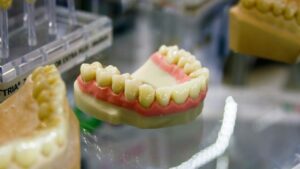
Full dentures replace an entire arch of teeth either the upper, lower, or both. They rest on the gum ridges and are held in place by natural suction or with the help of denture adhesive. Full dentures provide the most significant facial support for patients who have lost all of their teeth.
Partial Dentures
Partial dentures are used when some natural teeth remain. They fill in the gaps left by missing teeth and may attach to remaining teeth using metal clasps or precision attachments.
Partial dentures help maintain the position of remaining teeth and can also help support the facial structure in the areas where teeth are missing.
Both types can contribute to a more natural facial appearance, though individual outcomes vary depending on the extent of bone loss and overall oral health.
What Happens If Dentures Don’t Fit Well?
Poorly fitting dentures can cause discomfort, sore spots, and difficulty eating or speaking. They may also fail to provide adequate facial support.
As the jawbone continues to change over time, dentures that once fitted well may begin to feel loose or unstable. When this happens, the vertical dimension may decrease again, contributing to facial changes such as a collapsed lower face or prominent chin fold.
Regular dental check-ups are important for denture wearers. A dental professional can assess whether your dentures still fit correctly and recommend adjustments, relining, or replacement as needed.
Trying to wear ill-fitting dentures for extended periods without professional review can contribute to ongoing bone loss and may affect how the face looks over time.
How Long Does It Take to Adjust to Dentures?
Adjusting to new dentures takes time and varies from person to person. In the early weeks, some patients notice mild discomfort, increased saliva flow, or changes in how they speak or chew. These experiences are common during the adjustment period.
Most people begin to feel more comfortable within four to eight weeks, though this can vary depending on the individual and the type of dentures. It’s worth noting that facial changes after fitting new dentures can also take a few weeks to become apparent as the soft tissues settle.
If you experience ongoing discomfort or your dentures feel unstable, it’s worth returning to your dental clinic for a review. Minor adjustments can often make a significant difference to both comfort and appearance.
Frequently Asked Questions
Will dentures make my face look younger?
Dentures can help restore facial support that is lost when teeth are missing, which may reduce the sunken or aged appearance around the mouth. However, results vary depending on how much bone has been lost and how well the dentures fit. A consultation with a dental professional can give you a clearer picture of what to expect in your individual situation.
How long do dentures last before they need replacing?
Dentures typically last between five and ten years with proper care, although this varies depending on the materials used and how much the jaw changes over time. Regular check-ups allow your dental provider to assess fit and recommend relining or replacement when appropriate.
Can bone loss be stopped once it starts?
Bone resorption following tooth loss cannot be fully reversed, but options such as dental implants which replace the tooth root may help slow further bone loss in some cases. Conventional dentures do not stimulate the bone, so some degree of ongoing change is expected. Your dental professional can discuss all relevant options based on your oral health.
Is it normal for my face to look different after getting dentures?
Yes, some change in facial appearance after getting dentures is normal. New dentures restore the height and support that was lost with the teeth, so the face may look slightly fuller or more balanced. It can take a few weeks for the soft tissues to settle and for the full effect to become apparent.
Conclusion
Tooth loss does affect the shape of the face, and well-fitted dentures can play an important role in restoring support to the facial tissues. Understanding how this process works helps patients make informed decisions about their dental care.
If you’re considering dentures in Lower Hutt or have questions about how tooth loss may be affecting your facial appearance, the team at Hutt Dental Hub Lower Hutt is available to help.
A thorough assessment and personalised discussion can help you understand your options and what may be achievable for your individual circumstances. Treatment outcomes vary, and a consultation is the best first step toward making an informed choice.
Sources:
- https://www.nhs.uk/tests-and-treatments/dentures/
- https://www.colgate.com/en-in/oral-health/dentures/full-dentures-partial-dentures-denture-care-learn-more
- https://www.betterhealth.vic.gov.au/health/conditionsandtreatments/dentures
- https://pmc.ncbi.nlm.nih.gov/articles/PMC9270218/

Hutt Dental Hub is a dental clinic serving the Lower Hutt community. Our dentist in Lower Hutt provides a wide range of services including general dentistry, dental implants, orthodontics, emergency appointments, and dental sedation. Using advanced 3D digital technology, we deliver accurate, patient-focused care. As NZDA members, our team is committed to ongoing professional development and best practice.