
Losing a tooth can affect more than just your smile. It can change the way you eat, speak, and feel about your appearance. Many people in Lower Hutt are now choosing a single dental implant as a way to address tooth loss and restore function to their mouth.
If you’re considering this option, one of the first questions you may have is: how long does it take to heal? Understanding the healing process before you begin can help you plan ahead, set realistic expectations, and feel more at ease throughout your treatment journey.
This guide walks you through each stage of recovery after a single dental implant from the day of surgery to the final crown placement. Individual healing times can vary, so always speak with your dental provider about what to expect based on your specific situation.
What Happens During the Implant Procedure?
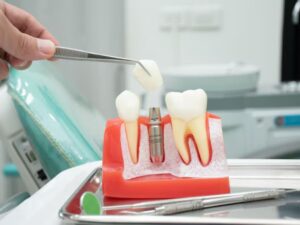
Before understanding recovery, it helps to know what the procedure involves. A single dental implant in Lower Hutt consists of a small titanium post that is surgically placed into the jawbone where the tooth is missing.
Over time, this post fuses with the bone through a process called osseointegration. Once that bond is stable, a connector piece (called an abutment) and a custom-made crown are attached on top.
The entire treatment generally takes place across several appointments spread over a few months. This timeline allows the bone and tissue to heal properly between stages.
Stage One: The First Week After Surgery
The first week after implant surgery is when the body begins its initial healing response.
You may notice some swelling, bruising, or mild discomfort around the treatment site. This is normal and typically settles within a few days. Your dental team will usually recommend soft foods, cold packs, and over-the-counter pain relief as needed during this time.
What to Expect in the First Few Days
- Swelling around the jaw and cheek area is common and often peaks around day two or three before gradually reducing.
- Light bleeding from the surgical site may occur on the first day.
- Eating soft foods such as soup, yoghurt, and mashed vegetables is generally advised.
- Avoiding hot drinks, smoking, and vigorous rinsing in the first 24 hours supports healthy clot formation.
Most people find they can return to light daily activities within a few days, though this can vary depending on the individual and the complexity of the procedure.
Stage Two: Weeks Two to Four
By the second week, most of the initial swelling and discomfort will have reduced significantly for many patients.
During this stage, the gum tissue around the implant site continues to heal. You may still notice some sensitivity, but it should be manageable. Your dental provider may schedule a follow-up visit around this time to check that healing is progressing well.
It is important to maintain good oral hygiene during this period. Gently cleaning the area with a soft-bristled toothbrush and following any rinsing instructions given by your dental team helps support recovery.
Stage Three: Osseointegration The Critical Healing Phase
Osseointegration is the process by which the titanium implant posts bonds with the surrounding jawbone. This is the most important stage of the healing process, and it takes the most time.
For most patients, this process takes between three and six months. However, the exact duration depends on a range of factors, including:
- The density and volume of your jawbone
- Your overall health and healing ability
- Whether bone grafting was required before or during the procedure
- Lifestyle factors such as smoking, which may slow healing
During osseointegration, the implant is not visible; it sits beneath the gum line while the bone gradually grows around it. You may be fitted with a temporary restoration during this period to protect the area and maintain aesthetics.
Stage Four: Abutment Placement and Final Crown Fitting
Once osseointegration is confirmed, the next stage involves placing the abutment and the final crown.
The abutment is a small connector piece that attaches to the top of the implant post. After the abutment is placed, the gum tissue around it is given a short period typically a couple of weeks to heal and shape itself before the final crown is fitted.
The crown is custom-made to match the colour, shape, and size of your surrounding teeth. Once fitted, the crown is checked for fit and appearance, though individual results may vary.
Your dental provider will check the bite, assess comfort, and make any minor adjustments at this appointment to help ensure the restoration fits well.
How to Support Your Recovery at Home
There are several things you can do to help the healing process go smoothly.
Follow your dental team’s instructions carefully. Every piece of advice they give from what to eat to how to clean the area is there to support healing.
Maintain good oral hygiene. Keeping the mouth clean is one of the most important factors in implant recovery. Use a soft toothbrush, avoid abrasive toothpaste near the implant site, and rinse as directed.
Avoid smoking during recovery. Smoking can slow healing and may affect the success of osseointegration. If you smoke, speak with your dental team about support options.
Eat a balanced diet. Good nutrition supports tissue repair and bone healing. Focus on soft, nutrient-rich foods in the early stages.
Attend all follow-up appointments. Regular check-ins allow your dental team to monitor healing progress and address any concerns early.
Frequently Asked Questions
How long does it take to fully recover from a single dental implant?
Full recovery from surgery through to final crown placement typically takes between three and nine months. Most of this time is spent waiting for osseointegration where the implant bonds with the jawbone which generally takes three to six months. Timelines vary depending on your overall health, jawbone density, and whether bone grafting was required. Your dental provider can give you a personalised estimate during a consultation.
Is it normal to experience discomfort after implant surgery?
Yes, some discomfort is a normal part of healing. Mild soreness, swelling, and bruising around the jaw are common in the first few days and generally ease over the following week. Your dental clinic in Lower Hutt can advise on suitable over-the-counter pain relief options during recovery. If pain is worsening after the first week or you notice unusual swelling or discharge, contact your dental team for further assessment.
Can I eat normally after getting a dental implant?
In the early stages, soft foods such as soup, yoghurt, and mashed vegetables are generally recommended while the site heals. As recovery progresses, most patients can gradually reintroduce a wider variety of foods. Once the final crown is placed and healing is confirmed, the restoration is designed to support normal eating function, though individual experience may vary.
What signs should I watch for during recovery?
Most patients heal without significant complications. However, contact your dental team if you notice ongoing or worsening pain after the first week, swelling that is not reducing, unusual discharge, or a feeling that the dental implant is loose. Early attention gives your provider a good opportunity to support a positive outcome. Do not wait for a scheduled appointment if you have concerns.
Conclusion
Healing after a single dental implant is a gradual process that unfolds in stages over several months. While the timeline requires patience, each stage serves an important purpose in supporting healing and may contribute to a stable, long-term result, provided you attend regular check-ups and maintain good oral hygiene. Understanding what to expect at each step can make the journey feel more manageable.
If you have questions about implant treatment or would like to explore whether this option may be suitable for you, the team at Hutt Dental Hub Lower Hutt welcomes you to get in touch and book a consultation. A personalised assessment can help clarify suitable options for your oral health needs.

Hutt Dental Hub is a dental clinic serving the Lower Hutt community. Our dentist in Lower Hutt provides a wide range of services including general dentistry, dental implants, orthodontics, emergency appointments, and dental sedation. Using advanced 3D digital technology, we deliver accurate, patient-focused care. As NZDA members, our team is committed to ongoing professional development and best practice.