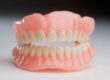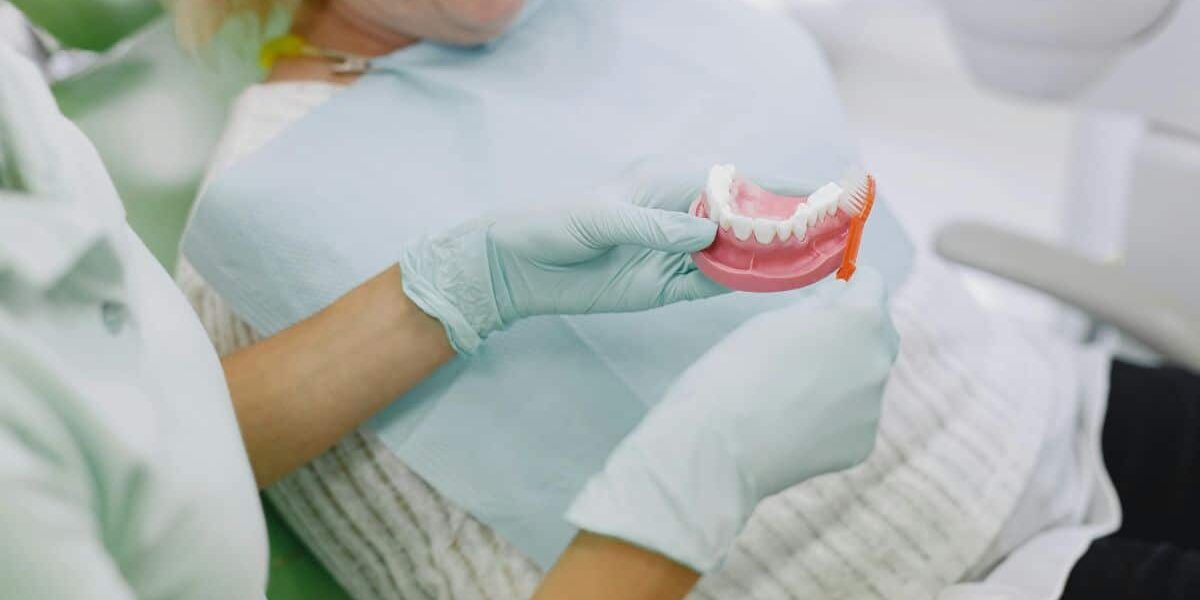
If you wear dentures, you may have noticed that what once felt secure and comfortable has started to feel less stable over the years. This is a common concern for denture wearers across New Zealand, and it is completely understandable to feel frustrated or unsure about what to do next.
For people seeking dentures in Lower Hutt, knowing why this happens and what can be done about it is an important first step toward better oral comfort and daily confidence.
Loose dentures are not simply a sign of poor-quality prosthetics. In most cases, they reflect natural changes happening inside your mouth over time. This article explains the key reasons behind denture looseness, what signs to watch for, and when it may be appropriate to speak with a dental professional about your options.
What Happens to Your Jaw After Tooth Loss?
One of the most significant and least discussed changes after tooth loss is what happens to the bone underneath your gums. Your jawbone is maintained partly by the pressure and stimulation created by natural tooth roots.
When teeth are removed, that stimulation stops and the bone gradually begins to reduce in volume, a process known as bone resorption. For many people exploring dentures in Lower Hutt, this is an important consideration that is worth understanding early.
Bone resorption is a natural biological response, not a failure of care. However, it does have a direct and ongoing impact on how dentures fit over time, often requiring adjustments as the jaw shape changes.
How Bone Resorption Affects Denture Fit
Dentures are shaped to match the contours of your gums and jaw at the time they are made. As the underlying bone changes shape and volume, the dentures no longer match those contours as closely.
The result is a looser fit one that may cause the dentures to shift when speaking, move during eating, or feel generally unstable throughout the day.
Research suggests that bone resorption is most active during the first year after tooth extraction, though it can continue gradually over many years. This is why dentures that felt excellent when first fitted may begin to feel less secure after several years of use.
Changes in Gum Tissue Over Time
Alongside changes in the bone, the soft tissue of your gums also changes as you age. Gum tissue can shrink, thin out, or shift slightly over time.
These changes are influenced by a number of factors including age, overall health, diet, and whether dentures are worn consistently or removed frequently.
Because dentures rest on the gum surface, any change in that surface affects how the denture sits and feels. A denture that once created a firm seal may gradually begin to allow air or food to get underneath, which is a common sign that the fit has changed.
Weight Changes and Denture Fit
Changes in body weight whether gained or lost can also affect how dentures fit. When you lose weight, fat tissue in the face and around the jaw can reduce. This changes the overall shape of your lower face and may result in dentures that feel too loose or too large.
When you gain weight, the opposite can sometimes occur, with dentures feeling tighter or uncomfortable.
Significant weight changes are worth mentioning to your dental professional, as they can be a practical explanation for a change in fit that has nothing to do with the dentures themselves.
The Role of Denture Age and Wear
Dentures are made from durable materials, but they are not designed to last indefinitely without attention.
Over years of daily use, the acrylic or resin components of a denture can wear down, warp slightly, or sustain minor damage. Even subtle changes in the shape of the denture itself, not just the jaw can affect how well it fits.
Most dental professionals recommend having dentures assessed regularly, as the materials used can change in shape over time, particularly if dentures are exposed to hot liquids, cleaned with abrasive products, or not stored properly when not in use.
Signs Your Dentures May Need Attention
- Movement or rocking during eating or speaking
- Sore spots or irritation on the gums
- Difficulty chewing foods that were previously manageable
- Clicking sounds when talking
- Needing to use more denture adhesive than before
- Feeling self-conscious about the way dentures look or move
If you are experiencing any of these signs consistently, it is worth raising them during a dental appointment.
Can Denture Adhesives Fix a Loose Fit?
Denture adhesives are widely available and can provide temporary relief for minor looseness. They work by creating a temporary bond between the denture and the gum surface.
However, adhesives are not a long-term solution for a significantly ill-fitting denture. Using large amounts of adhesive regularly can sometimes mask a fit issue that should be professionally assessed.
If you find yourself relying heavily on adhesives to get through the day, this is generally a sign that a professional evaluation may be appropriate.
What Are the Options When Dentures No Longer Fit Well?
When a denture is no longer fitting comfortably, there are several approaches a dental professional may discuss with you depending on the degree of change and your individual circumstances.
Denture Relining
A reline involves adding new material to the fitting surface of an existing denture so that it better matches the current shape of your gums. This is often suitable when the denture structure itself is still in good condition, but the fit has changed due to gum or bone changes.
Relining can be done chairside in a single appointment or sent to a dental laboratory for a more thorough result. Your dental clinic in Lower Hutt professionals can advise which approach may suit your situation.
Denture Rebasing
Rebasing replaces the entire base material of a denture while keeping the existing teeth. This is less common than relining but may be considered when the base material has worn or warped significantly.
New Dentures
In some cases particularly when a denture is old, worn, or the fit has changed substantially, replacement dentures may be the most suitable option. New dentures are made to match your current jaw and gum shape, which can make a considerable difference to comfort and function.
Implant-Supported Options
For some people, implant-retained dentures may be worth discussing with a dental professional. This option uses dental implants to help anchor the denture more securely. Suitability varies depending on bone density, health status, and other individual factors, so a personalised assessment is always required before considering this pathway.
FAQ:
How often should dentures be checked by a dental professional?
It is generally recommended that denture wearers have their prosthetics assessed at least once a year, even if they feel comfortable. Regular checks allow any changes in fit or condition to be identified early. Some people may need more frequent reviews depending on how quickly their jaw is changing.
Is it normal for dentures to need relining after a few years?
Yes, this is quite common. Given the natural process of bone resorption and gum tissue changes, many denture wearers find that their dentures benefit from relining every few years. The timing varies from person to person. A dental professional can assess whether a reline is appropriate during a routine appointment.
Can I sleep in my dentures?
Most dental professionals recommend removing dentures at night. This allows the gum tissue to rest and helps reduce the risk of irritation or infection. Leaving dentures out overnight also allows the gums to recover from the pressure of wearing them throughout the day, which may help slow some types of tissue change over time.
Why do my dentures feel fine in the morning but loose by the afternoon?
This can happen because saliva, which helps create suction and a natural seal between the denture and gum, fluctuates throughout the day. Eating, drinking, and talking can displace this seal. If this is a consistent pattern, it is worth mentioning to your dental professional, as it may indicate a fit issue that can be addressed.
Conclusion
Loose dentures are a common and natural result of changes in the jaw and gum tissue over time. Understanding why this happens is the first step but acting on it matters just as much.
Leaving ill-fitting dentures unaddressed can affect eating, speaking, and daily confidence. Whether the solution involves a reline, replacement, or a routine assessment, professional guidance makes a real difference.
If you’ve noticed changes in how your dentures fit, the team at Hutt Dental Hub Lower Hutt can help. A personalised consultation is the best place to start, as treatment options vary depending on individual oral health needs.
Sources:
- https://my.clevelandclinic.org/health/treatments/10900-dentures
- https://www.nhs.uk/tests-and-treatments/dentures/
- https://www.colgate.com/en-in/oral-health/dentures/full-dentures-partial-dentures-denture-care-learn-more
- https://medlineplus.gov/dentures.html

Hutt Dental Hub is a dental clinic serving the Lower Hutt community. Our dentist in Lower Hutt provides a wide range of services including general dentistry, dental implants, orthodontics, emergency appointments, and dental sedation. Using advanced 3D digital technology, we deliver accurate, patient-focused care. As NZDA members, our team is committed to ongoing professional development and best practice.