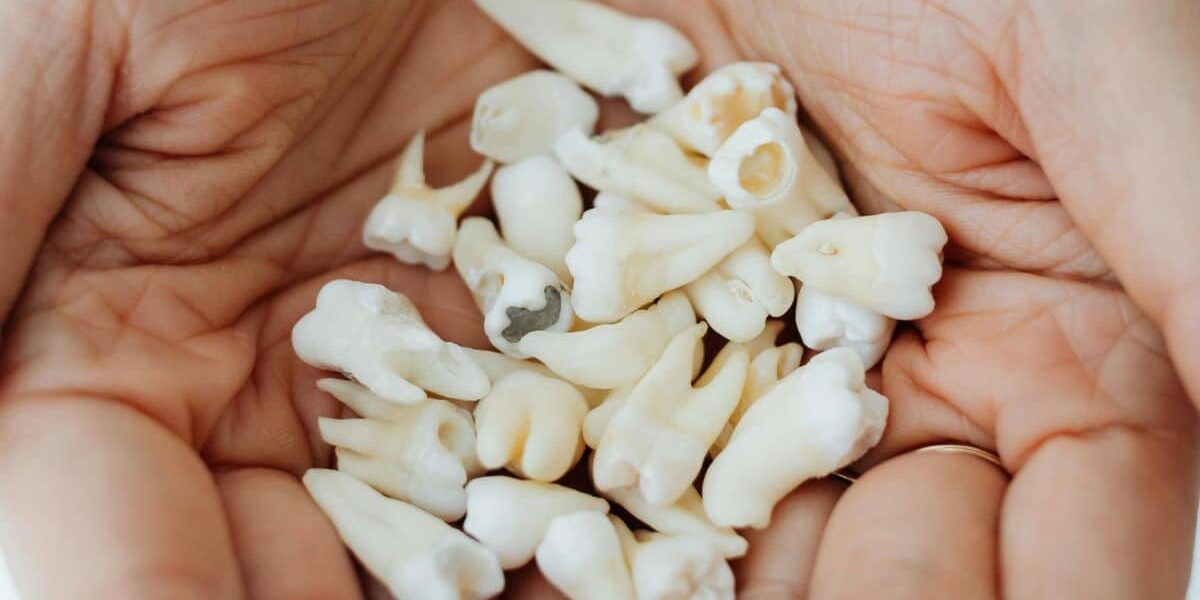
If you have recently had your wisdom teeth taken out or are preparing for the procedure you may be wondering why swelling is such a common part of recovery. It can be surprising to wake up the morning after wisdom tooth removal in Lower Hutt with a noticeably puffy face, even when everything went smoothly.
The good news is that swelling after this procedure is a normal and expected part of the healing process. It does not mean something has gone wrong. Understanding why it happens and what to expect can help you feel more prepared and manage your recovery with confidence.
This article explains the science behind post-extraction swelling, what is considered normal, and when it may be worth checking with your dental team.
What Happens During Wisdom Tooth Removal?
Wisdom teeth, also called third molars, are the last teeth to develop, usually appearing in the late teens or early twenties. When they do not have enough room to grow properly, or when they are impacted beneath the gum line, removal is often recommended.
For those considering wisdom tooth removal in Lower Hutt, it helps to understand what the process involves. The extraction requires a small incision in the gum tissue, sometimes the removal of a small amount of surrounding bone, and carefully loosening and lifting the tooth from the socket.
This creates a controlled wound in living tissue, and swelling is a natural and expected part of how your body begins to heal.
Why Does Swelling Occur After Extraction?
The Body’s Natural Inflammatory Response
Swelling is a direct result of your immune system responding to tissue disruption. When soft tissue and bone are disturbed during extraction, the body releases a series of chemical signals called inflammatory mediators.
These signals cause blood vessels in the area to widen and become more permeable. Fluid, white blood cells, and proteins rush to the site to begin repairing damaged tissue and protecting against infection.
This localised increase in fluid is what you see and feel as swelling. It is the body doing exactly what it should respond to trauma with a healing cascade.
Why the Face Swells Visibly
The tissues around the jaw and lower face are soft and loosely structured. When fluid accumulates in the surgical site, it spreads into the surrounding facial tissue more readily than it might in a denser part of the body.
This is why wisdom tooth removal particularly of lower wisdom teeth can cause noticeable puffiness in the cheeks and jaw area.
When Does Swelling Peak and How Long Does It Last?
For most people, swelling after wisdom tooth removal follows a fairly predictable pattern.
Day 1–2: Swelling often begins a few hours after the procedure. Cold packs applied to the outside of the face during the first 24 hours can help limit the initial accumulation of fluid.
Day 2–3: This is typically when swelling reaches its highest point. Many patients notice the most visible puffiness around this time, which can feel alarming but is generally a normal part of the process.
Day 4–7: Swelling gradually reduces as the body begins to reabsorb excess fluid and the healing process continues. Most visible swelling resolves within a week for routine extractions.
Impacted wisdom teeth or more complex surgical removals may result in longer or more significant swelling. Recovery timelines vary from person to person depending on individual factors.
What Can You Do to Manage Swelling?
While swelling cannot be prevented entirely, there are several evidence-based strategies that may help reduce its severity and duration.
Ice Packs in the First 24 Hours
Applying a cold pack or wrapped ice to the outside of your jaw for 15–20 minutes at a time during the first day after surgery can help slow the accumulation of fluid. After 24 hours, switching to gentle warmth may support circulation and comfort.
Keeping Your Head Elevated
Sleeping with your head raised slightly above your heart using an extra pillow can help reduce fluid pooling in the face overnight, particularly in the first two to three days.
Taking Prescribed Medications as Directed
Your dental team may prescribe anti-inflammatory medication or recommend over-the-counter options. Taking these as directed and at the correct time can make a meaningful difference in how your body manages the inflammatory response.
Eating Soft Foods and Avoiding Strain
Chewing, physical exertion, and heat exposure in the early days following extraction can increase blood flow to the area and worsen swelling. Sticking to soft foods and avoiding strenuous activity helps support the healing environment.
What Is the Difference Between Normal Swelling and a Complication?
Understanding what is normal helps you identify when something may need attention.
Normal swelling is soft, distributed across the jaw and cheek area, peaks around day two or three, and gradually improves after that.
Signs that warrant a check-up may include swelling that continues to worsen after day three or four, swelling accompanied by a high fever, difficulty opening the mouth or swallowing, a foul taste or smell from the extraction site, or worsening pain after the first few days.
One complication worth being aware of is dry socket, which occurs when the blood clot that forms in the empty socket is dislodged or dissolves too early.
This can lead to increased pain rather than notable swelling, but it is worth mentioning if recovery does not seem to be progressing as expected. If anything about your recovery concerns you, it is always reasonable to contact your dental clinic in Lower Hutt practice for guidance.

Frequently Asked Questions
Is it normal for swelling to be worse on day two or three than immediately after surgery?
Yes, this is very common. Swelling after wisdom tooth removal often reaches its peak on the second or third day following the procedure, not immediately afterward. This is because the inflammatory response takes time to build up fully. If swelling is improving by day four or five, that is generally a positive sign of normal healing.
Should I be worried if only one side is more swollen than the other?
This is not unusual, especially if only one wisdom tooth was removed or if one side required more complex work. Swelling tends to be most pronounced on the side where the extraction took place. If the asymmetry is severe, or if one side becomes increasingly painful and red, it is worth having your dental team take a look.
Can I use heat packs instead of ice to reduce swelling?
Heat is generally not recommended in the first 24–48 hours after extraction as it can increase blood flow and worsen initial swelling. After the first two days, gentle warmth may help with muscle soreness and promote circulation in the area. Your dental team can advise on what is appropriate for your specific recovery.
How long will I need to take time off work or school?
This depends on the complexity of the extraction and the type of work you do. Many people feel well enough to return to desk-based work within two to three days, while those with physically demanding roles may need a little longer. Your dental team can provide more specific guidance based on your treatment.
Conclusion
Swelling after wisdom tooth removal is the body’s natural and necessary response to surgical disruption of the tissue. It is not a sign that something has gone wrong in most cases, it is simply evidence that healing has begun.
Understanding what to expect, following your aftercare instructions, and knowing when to seek further advice can make the recovery process much more manageable.
If you are considering wisdom tooth removal in Lower Hutt or have questions about what to expect from your recovery, the team at Hutt Dental Hub Lower Hutt is available to discuss your individual situation. A personalised consultation can help you feel informed and confident before, during, and after your procedure.
Sources:
- https://www.mayoclinic.org/tests-procedures/wisdom-tooth-extraction/about/pac-20395268
- https://my.clevelandclinic.org/health/treatments/22119-wisdom-teeth-removal
- https://www.colgate.com/en-in/oral-health/wisdom-teeth/wisdom-tooth-extraction
- https://www.nhs.uk/tests-and-treatments/wisdom-tooth-removal/

Hutt Dental Hub is a dental clinic serving the Lower Hutt community. Our dentist in Lower Hutt provides a wide range of services including general dentistry, dental implants, orthodontics, emergency appointments, and dental sedation. Using advanced 3D digital technology, we deliver accurate, patient-focused care. As NZDA members, our team is committed to ongoing professional development and best practice.