
Clear aligners have transformed the way many people approach teeth straightening. Rather than traditional metal braces, these custom-made plastic trays offer a discreet and flexible option for gradually shifting teeth into alignment, making them an increasingly popular choice across New Zealand.
For anyone considering clear aligners with a dentist in Lower Hutt, understanding what happens at each stage can make a real difference. Knowing what to expect helps you feel prepared, set realistic goals, and stay motivated throughout the process.
The journey typically begins with a thorough consultation and ends with a retainer phase to help preserve your results. In between, there are several important stages, each playing a specific role in moving your teeth safely and effectively.
This guide walks you through the full clear aligner process from start to finish. Whether you’re in the early stages of research or close to booking your first appointment, this overview is a helpful place to start.
Progressing Through Your Clear Aligner Treatment
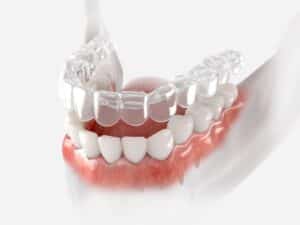
Clear aligners use a series of custom-made trays to gradually shift your teeth into the desired position. Each tray represents a small movement, and by wearing them sequentially, your teeth slowly move over several months.
Unlike traditional braces, these nearly invisible aligners offer flexibility and convenience for many lifestyle demands. The entire process typically involves multiple stages, each with specific goals.
Understanding these stages helps set realistic expectations and supports motivation throughout treatment. Speaking with a qualified dentist in Lower Hutt is always a good first step for anyone wanting to explore their options.
Stage 1: Consultation and Assessment
The clear aligners journey begins with a comprehensive consultation. A dentist will examine your teeth, jaw alignment, and overall oral health to determine whether this treatment may be suitable.
During this stage, digital scans or impressions of your teeth are taken. These create a precise 3D model used to plan your tooth movement. The dentist will discuss your goals, explain the likely timeline, and outline what you’ll need to do to support a successful outcome.
This stage is important because it establishes realistic expectations. A digital preview may be shown to help you visualise how your teeth could look after treatment, giving you a clearer sense of the process ahead.
Stage 2: Custom Aligner Fabrication
Once the treatment plan is confirmed, custom aligners are manufactured using advanced technology. Each aligner is specifically designed for your teeth and moves them by a small, precise amount.
The number of aligners needed depends on the complexity of the case. Some people need 12 aligners, while others may need 30 or more. Your dental team will either provide all aligners at once or send them in batches throughout treatment.
Fit is critical at this stage. Aligners must match your individual dental anatomy precisely to support effective tooth movement at every step.
Stage 3: Initial Wear and Adaptation
When you first receive your aligners, you’ll begin wearing the first tray. This is an adjustment period where you get used to having something in your mouth.
During the first few days, mild discomfort or pressure is common as your teeth begin to shift. This is normal and usually settles within a week. Some people notice slight changes to their speech initially, but this typically resolves quickly.
Aligners should be worn for 20 to 22 hours per day. They should only be removed for eating, drinking (except water), and cleaning your teeth. Consistent wear is important for treatment to progress as planned.
Stage 4: Progressive Tooth Movement
Over the following weeks and months, teeth gradually move with each new aligner. Every one to two weeks, you’ll switch to the next aligner in the series. Each new tray continues the movement begun by the previous one.
For those undergoing clear aligners in Lower Hutt, slight pressure or discomfort when switching to a new aligner is normal and typically eases within a few days. Noticing your teeth shifting during this stage is a sign that treatment is progressing.
Regular check-ups with your dentist are important throughout this phase. These appointments allow progress to be monitored and ensure teeth are moving as planned. If adjustments are needed, your dentist can make recommendations at these visits.
Stage 5: Refinement and Fine-Tuning
As you near the end of your initial aligner series, your teeth will be mostly aligned. However, refinement may be needed to achieve better positioning and bite alignment.
Your dentist may recommend a series of refinement aligners to address minor adjustments not covered in the initial treatment plan. This stage involves fewer aligners and is a common part of the overall process.
Professional supervision throughout treatment is important here. A dentist can identify whether refinement may help and advise on the appropriate next steps.
Stage 6: Retention and Long-Term Maintenance
Once aligners have completed the active straightening phase, retention becomes an important next step. Without proper retention, teeth can gradually shift back toward their original position over time.
Wearing a retainer is typically recommended for several years after treatment. Some people use fixed retainers bonded to the back of their teeth, while others use removable retainers worn at night. A combination of both may offer greater stability depending on individual circumstances.
Retention is an essential part of maintaining the results of your treatment long term and should not be skipped.
FAQs About the Stages of Clear Aligner Treatment
How Long Does the Clear Aligner Process Take?
Most clear aligners treatments take between 6 and 18 months, depending on the complexity of the case. Simpler cases may progress more quickly, while more complex tooth movements require additional time.
Your dentist will provide a personalised timeline during the initial consultation. This gives you a realistic sense of what to expect and helps you plan accordingly.
Will I experience pain during each stage?
Most people experience mild pressure or discomfort when starting a new aligner rather than significant pain. This sensation typically settles within a few days as teeth begin to adjust.
If discomfort feels significant or persists beyond the first week, it is worth contacting your dentist. Treatment plans can be reviewed and adjusted where needed to support your comfort throughout the process.
Can I remove my aligners whenever I want?
While aligners are removable, consistent wear is important for treatment to progress as planned. They need to be worn for 20 to 22 hours daily to support effective tooth movement.
Removing aligners frequently or for extended periods can slow progress or affect how teeth move through the aligner series. Keeping removals limited to eating, drinking, and cleaning is the recommended approach.
What happens if I skip a stage or rush through the process?
Following the prescribed aligner sequence is important for achieving the intended results. Skipping ahead or wearing aligners for shorter periods than recommended may affect how well teeth move.
Always follow your dentist’s guidance on clear aligner changes and wear time. This helps to support your treatment progress and reduces the likelihood of needing additional refinement stages later.
Sources:
- American Association of Orthodontists (AAO) – Clear Aligners
https://aaoinfo.org/treatments/clear-aligners/ - PubMed Central – Clear Aligner Therapy: An Overview
https://pmc.ncbi.nlm.nih.gov/articles/PMC8383674/ - ClearChange Clear Aligners – How It Works
https://www.clearchange.co.nz/
Conclusion
Understanding what happens at each clear aligners stage helps you approach treatment with confidence. From the initial consultation through to long term retention, every phase plays an important role in moving and maintaining your teeth safely and effectively.
For anyone considering clear aligners in Lower Hutt, a consultation with a dental professional is a practical next step. At Hutt Dental Hub, ClearChange clear aligners, a NZ-made system, are available for suitable patients. A personalised consultation can help determine whether clear aligners are the right option for your orthodontic needs and provide a tailored treatment plan. Get in touch to find out more.

Hutt Dental Hub is a dental clinic serving the Lower Hutt community. Our dentist in Lower Hutt provides a wide range of services including general dentistry, dental implants, orthodontics, emergency appointments, and dental sedation. Using advanced 3D digital technology, we deliver accurate, patient-focused care. As NZDA members, our team is committed to ongoing professional development and best practice.