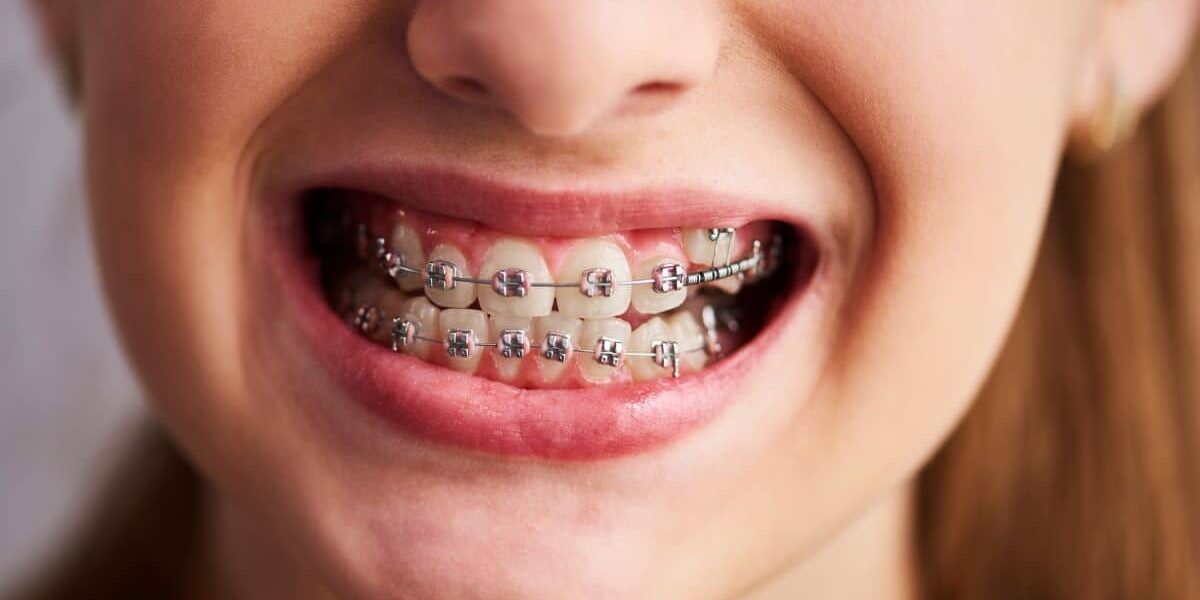
Getting braces is a significant step in your orthodontic journey. Whether you’re a teenager or an adult considering braces in Lower Hutt, you might wonder what life looks like once they’re fitted.
One of the biggest changes you’ll experience isn’t the braces themselves, it’s how you care for your teeth and gums every single day. Your oral care routine will evolve considerably when you have braces.
The brackets, wires, and bands create new surfaces where food particles and bacteria can accumulate, making a simple toothbrush approach no longer sufficient. This guide explains exactly what changes you’ll need to make and why these adjustments matter for your treatment success.
Brushing Your Teeth Becomes More Detailed
With braces, brushing your teeth requires more time and attention than before. You’ll need to brush not just the front, back, and chewing surfaces of your teeth; you must also clean around the brackets and under the wires. Your dentist in Lower Hutt will emphasise the importance of thorough cleaning to prevent decay and gum problems during your orthodontic treatment.
According to the American Association of Orthodontists (AAO), it is recommended to brush after every meal and snack when wearing braces to help remove food particles and plaque from around brackets and wires. Use a soft-bristled toothbrush or an electric toothbrush designed for braces. Angle your brush at 45 degrees towards the gum line and brush gently in small circular motions, paying extra attention to the areas around each bracket. For more oral hygiene tips during orthodontic treatment, visit: https://aaoinfo.org/whats-trending/life-with-braces/
A traditional toothbrush works, but many patients find an electric toothbrush easier to manoeuvre around brackets. Some people also prefer an ortho-specific toothbrush with a V-shaped notch to clean around the wires more effectively. Your dentist can recommend the best option for your needs during your braces care appointments.
Flossing Becomes Essential
This is perhaps the most significant change in your daily routine. Flossing becomes much harder but infinitely more important when you have braces. Regular floss won’t slip easily between your teeth when wires are in the way, so you’ll need to use special flossing tools.
Your options include:
Floss threaders – These small plastic devices guide regular floss under the wire so you can clean between your teeth. They take practice but are inexpensive and effective once you get the technique down.
Water flossers (oral irrigators) – These use a pressurised stream of water to remove food and plaque around brackets and under wires. Many patients find these easier and faster than traditional floss threaders.
Interdental brushes – These tiny brushes are designed to fit between teeth and around braces. They’re excellent for removing debris from tight spaces.
Your orthodontist will recommend which tool works best for your specific braces setup. Ideally, you should floss daily, especially before bed.
Watch What You Eat
Food choices change significantly when you wear braces. Certain foods can damage brackets, bend wires, or get stuck in ways that are difficult to clean out.
You’ll need to avoid sticky foods like chewing gum, toffee, and liquorice. Hard foods such as nuts, hard sweets, and crunchy vegetables (unless cut into small pieces) should be limited. Chewy items like dried fruit and tough meat can also pose problems.
Instead, focus on braces-friendly options: soft fruits, yoghurt, cheese, pasta, soft bread, and cooked vegetables. Cutting harder foods into small, manageable pieces makes eating safer and easier. Beyond protecting your braces, being mindful about food choices also reduces the time spent removing stuck debris from your teeth.
Increase Your Interdental Cleaning
Interdental cleaning refers to cleaning the spaces between your teeth, something that becomes crucial with braces. Beyond traditional flossing, you might add other tools to your routine:
Mouthwash or mouth rinses – Antimicrobial rinses can help reduce bacteria and freshen your mouth after meals when full brushing isn’t possible. Use these as a supplement, not a replacement for brushing and flossing.
Proxy brushes – These thin, wand-like brushes clean between teeth and around brackets effectively. Many patients keep these at school or work for quick cleanups after eating.
Using multiple interdental tools isn’t overkill, different tools reach different areas, and thorough cleaning helps prevent cavities and gum disease during treatment.
Plan for Regular Orthodontic Adjustments
Your oral care routine also changes in terms of timing. Expect to visit your orthodontist every 4–8 weeks for adjustments. During these visits, your orthodontist checks your progress and makes sure your braces are working as intended.
Between appointments, stick to your enhanced brushing and flossing routine. For anyone wearing braces in Lower Hutt, if a bracket breaks or a wire comes loose, contact your orthodontist as soon as possible rather than waiting for your next scheduled visit. Broken braces can prolong your treatment time if not addressed promptly.
Managing Sensitivity and Gum Health
Some people experience tooth sensitivity and tender gums during the first few weeks of braces and after each adjustment. This is normal as your teeth and gums adapt to the gentle pressure of orthodontic movement.
To manage sensitivity, use a toothpaste formulated for sensitive teeth. Apply it gently with your finger to sensitive areas and leave it on for a few minutes before rinsing. If sensitivity persists beyond a week or two, mention it at your next orthodontic appointment.
Watch for signs of gum inflammation, such as swelling, redness, or bleeding during brushing. These often indicate inadequate cleaning around the braces. Improving your flossing technique can help, if gum problems continue, mention it at your next orthodontic appointment. If gum problems continue, your orthodontist may recommend a medicated mouth rinse.
Sources
- Cleveland Clinic. “Braces: Types & How They Work.”
https://my.clevelandclinic.org/health/treatments/24601-teeth-braces - American Association of Orthodontists (AAO). “Life with Braces.”
https://aaoinfo.org/whats-trending/life-with-braces/ - New Zealand Dental Association (NZDA). “Orthodontics.”
https://www.nzda.org.nz/public/find-a-dentist/dental-treatment/orthodontics - MouthHealthy (American Dental Association). “Braces.”
https://www.mouthhealthy.org/all-topics-a-z/braces
Conclusion
Having braces means embracing a more thorough approach to oral health. Your daily routine will expand to include detailed brushing, interdental cleaning with specific tools, dietary modifications, and careful monitoring of gum health.
These changes are an important part of supporting your treatment and the long-term health of your teeth. The effort you put into your oral care now directly affects your final results and the long-term health of your teeth.
At Hutt Dental Hub, we’re committed to supporting you throughout your orthodontic journey with guidance, encouragement, and professional care. If you have questions about your specific braces routine or need personalised advice, our team is here to help you succeed.

Hutt Dental Hub is a dental clinic serving the Lower Hutt community. Our dentist in Lower Hutt provides a wide range of services including general dentistry, dental implants, orthodontics, emergency appointments, and dental sedation. Using advanced 3D digital technology, we deliver accurate, patient-focused care. As NZDA members, our team is committed to ongoing professional development and best practice.