
Most people brush their teeth every day, but oral hygiene needs can vary from person to person. Factors such as age, gum health, diet, medical history, medications, dental restorations, and lifestyle habits can all influence the type of care that may be appropriate for an individual.
Because of these differences, advice provided by a dental hygienist is often tailored rather than based on a one-size-fits-all approach.During an appointment, a dental hygienist may assess your oral health, discuss any concerns, and provide guidance that reflects your specific circumstances.
This could include recommendations on brushing and interdental cleaning techniques, fluoride use, dietary considerations, or ways to manage factors that may affect oral health over time.Personalised advice can help you better understand your own oral health needs and support informed decisions about your daily routine.
In this article, we’ll explore what personalised oral hygiene advice involves, why it may differ between individuals, and how a dental hygienist in Lower Hutt may tailor recommendations based on individual needs and oral health goals.
At a Glance
- A dental hygienist tailors advice to your gum health, tooth alignment, diet, and any existing dental work.
- Personalised tips often cover brushing technique, interdental cleaning tools, and mouthwash choice.
- People with braces, implants, or gum sensitivity typically need a different home care routine to the general population.
- Children, teens, and older adults are usually given age-appropriate guidance rather than one-size-fits-all instructions.
- A hygiene appointment is a good opportunity to get advice suited to your mouth, not just a general checklist.
Why Does Oral Hygiene Advice Need to Be Personalised?
Personalised oral hygiene advice matters because no two mouths wear, clean, or respond to plaque in exactly the same way. Two people who both brush twice a day can still end up with very different results depending on their gum tissue, tooth spacing, saliva flow, and habits like grinding or smoking. A hygienist’s job is to look at your mouth specifically and adjust their recommendations accordingly, rather than repeating the same generic checklist to every patient.
For example, someone with naturally tight-set teeth may be told to prioritise floss or tape, while someone with wider gaps might get more benefit from interdental brushes. Someone with a history of gum sensitivity may be advised to switch to a softer brush or a gentler technique, even if their current habits seem reasonable on the surface. A dental hygienist in Lower Hutt can assess these individual factors and provide personalised oral hygiene recommendations based on your needs.
This is one reason personalised advice from a hygiene appointment is based on an assessment of what’s actually happening in your mouth, rather than general advice from packaging or the internet. At Hutt Dental Hub Lower Hutt, this personalised approach can help support an oral hygiene routine that’s suited to your individual needs.
How Does a Hygienist Decide What Advice to Give You?
A hygienist bases personalised advice on a full assessment of your gums, teeth, and cleaning habits during your appointment, not on guesswork. This typically includes charting your gums for any pocketing or bleeding, checking for plaque and tartar buildup in specific areas, and asking about your current brushing and flossing routine.
From there, they’ll usually identify a handful of trouble spots, areas you may be missing consistently, or spots more prone to buildup because of your tooth alignment, and give you specific, practical oral hygiene guidance for those areas rather than a broad instruction to “brush better.” This personalised approach from a dentist in Lower Hutt or dental hygienist is intended to make recommendations more relevant to your individual oral health needs.
They’ll also take into account any dental work you have, such as fillings, crowns, braces, or implants, since these can change how plaque forms and how you need to clean around them.
What Personalised Brushing Advice Might Look Like
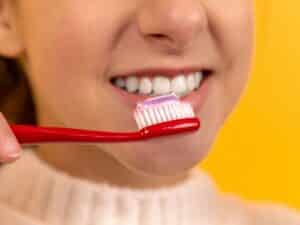
Brushing advice is often adjusted based on your gum condition, brush type, and any problem areas identified during your check-up. While the general guidance of brushing twice daily with a fluoride toothpaste is a solid baseline, a hygienist may fine-tune this further depending on what they see in your mouth.
Some patients are advised to switch from a medium or hard-bristled brush to a soft one, particularly if there are early signs of gum recession or sensitivity. Others may be shown a specific angle or motion to use around the gumline, since brushing at roughly a 45-degree angle to the gums, rather than straight on, can help remove plaque without irritating the tissue. As part of dental hygiene care, these personalised brushing recommendations are tailored to an individual’s oral health needs and circumstances.
If you tend to miss the same spots repeatedly, a common issue for back molars or the inner surfaces of front teeth, your hygienist may suggest a small adjustment to your grip or brushing order to help build a more thorough habit.
What Personalised Interdental Cleaning Advice Might Look Like
Interdental cleaning advice usually depends on the size of the gaps between your teeth and how easily standard floss reaches those areas. Traditional string floss works well for tightly spaced teeth, but it isn’t always comfortable or practical for everyone.
- Standard floss or dental tape, often recommended for people with naturally close-set teeth.
- Interdental brushes, commonly suggested where there are slightly wider gaps, especially around back teeth.
- Floss picks or holders, sometimes recommended for patients who find handling string floss difficult, including some older adults or those with limited dexterity.
- Water flossers, occasionally suggested as an addition for patients with braces, bridges, or difficulty using traditional floss.
Whichever tool works well for you, your hygienist will usually recommend cleaning between your teeth at least once a day, since brushing alone can’t reach the surfaces where teeth touch.
What Personalised Advice Might a Hygienist Give for Gum Sensitivity or Early Gum Disease?
If your hygienist identifies early signs of gum disease, such as bleeding or mild inflammation, they’ll typically recommend a more focused home care routine around the affected areas. This might include a gentler brushing technique, more consistent interdental cleaning, or a specific type of toothpaste or mouth rinse suited to sensitive or inflamed gums.
You may also be advised to increase the frequency of your hygiene visits for a period of time, so any improvement (or ongoing concern) can be monitored more closely. This is a common and low-key part of managing early gum disease, and it doesn’t necessarily mean anything serious is wrong, it simply reflects that gum tissue may need a bit more attention and monitoring.
Does Personalised Advice Differ for Children, Teens, and Older Adults?
Yes, a hygienist will typically adjust their advice based on age, dexterity, and any specific dental work like braces or dentures. Children are often guided on brushing technique and supervision, since young kids don’t always have the coordination to brush thoroughly on their own until around age seven or eight.
Teenagers with braces are usually shown specific techniques and tools for cleaning around brackets and wires, where plaque can build up quickly if missed. Older adults, meanwhile, may receive advice suited to dry mouth, dentures, or reduced dexterity, such as easier-to-hold brush handles or adapted flossing tools.
FAQs
How often should I see a dental hygienist for personalised advice?
This depends on your individual oral health needs, gum condition, and any risk factors your hygienist identifies. Some people are comfortable with a check every six to twelve months, while others with gum sensitivity or ongoing concerns may be advised to come in more often. Your hygienist will recommend a schedule based on your specific circumstances following an assessment.
Will my hygienist tell me what toothbrush or toothpaste to use?
Yes, this is a common part of personalised advice. Based on your gum condition and any sensitivity, your hygienist may suggest a particular bristle type, brush size, or toothpaste formulation. They can also advise on which type, electric or manual, may suit your situation.
Is personalised oral hygiene advice necessary if I already brush and floss regularly?
It can still be valuable even if your routine is already fairly good. A hygienist may spot specific areas you’re consistently missing or a technique adjustment that could help you get more out of your existing routine, which isn’t always obvious from home.
Can personalised advice help if I have sensitive teeth or gums?
Yes, sensitivity is one of the most common reasons hygienists adjust their advice. This might involve a softer brush, a gentler technique, or a specific toothpaste, along with guidance on avoiding habits that may be contributing to the sensitivity.
Do I need personalised advice if I have braces, implants, or dentures?
Generally, yes. Braces, implants, and dentures all change how plaque forms and how effectively you can clean your mouth with a standard routine. A hygienist can show you tools and techniques suited specifically to your dental work.
Conclusion
Personalised oral hygiene advice exists because your mouth isn’t identical to anyone else’s, and a generic routine won’t always address the specific areas that need attention.
From brushing technique to interdental tools to advice suited to braces, dentures, or sensitive gums, small adjustments based on your own assessment may help support your long-term oral health. As with any dental advice, outcomes vary from person to person and depend on your individual circumstances.
If it’s been a while since your last check, the team at Hutt Dental Hub Lower Hutt can assess your gums and teeth and talk you through home care advice suited to your own routine. Booking a hygiene appointment is a straightforward way to find out what’s working well for you and where a small change might help.
Sources:
- Healthify NZ (health.govt.nz-affiliated consumer health information), oral health self-care and interdental cleaning tips, https://healthify.nz/health-a-z/o/oral-health-taking-care-of-your-teeth
- Ministry of Health – Manatū Hauora, oral health programmes and initiatives, https://www.health.govt.nz/strategies-initiatives/programmes-and-initiatives/oral-health
- New Zealand Dental Association (NZDA), Your Oral Health information hub, https://www.nzda.org.nz/public/your-oral-health
- Health New Zealand | Te Whatu Ora, guidance on oral health services and oral health promotion, https://www.healthnz.govt.nz/health-professionals/guidance-standards/topic/oral-health

Hutt Dental Hub is a dental clinic serving the Lower Hutt community. Our dentist in Lower Hutt provides a wide range of services including general dentistry, dental implants, orthodontics, emergency appointments, and dental sedation. Using advanced 3D digital technology, we deliver accurate, patient-focused care. As NZDA members, our team is committed to ongoing professional development and best practice.