hutt-dental-wisdomteeth-1024x683

Wisdom Tooth Extraction

Why Take Them Out?

Do you have pain in the back of your mouth? Are your wisdom teeth giving you trouble? Then you might have to remove them.

Wisdom teeth are the third set of molars in the back of your mouth. They usually come out between the ages of 17 and 25, but potential issues can be seen on X-rays before they appear.

Some people need to have their wisdom teeth removed to reduce the risk of them affecting other teeth or causing discomfort. Hutt Dental Hub can remove your wisdom teeth gently to prevent any further issues.

Why Take Your Wisdom Teeth Out?

Most people have their wisdom teeth removed for one of these reasons:

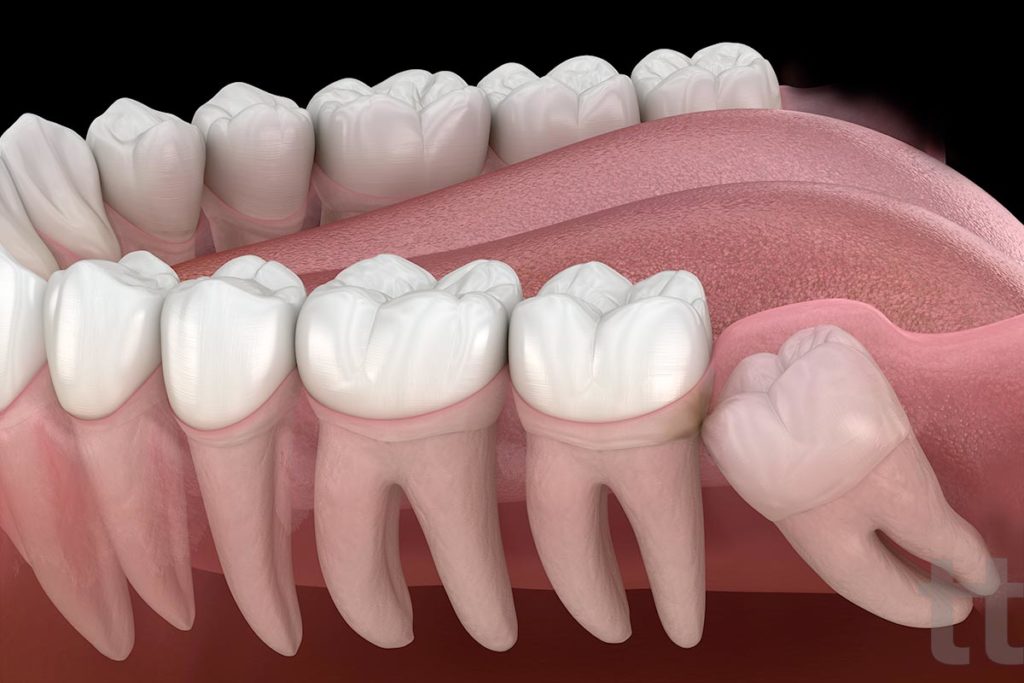
  • They’re impacted. Because they’re so far back in your mouth, wisdom teeth may not come out normally. They can be trapped in your jawbone or gums, which can be painful.
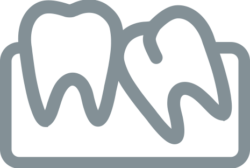
  • They come out at the wrong angle. They may press against your other teeth and cause them to move, which will impact your function and aesthetics.
  • Your mouth isn’t big enough. Your jaw has no room for an extra set of molars.
  • You have cavities or gum disease. You may not be able to clean your wisdom teeth with your toothbrush properly, and they can cause further infection.

Our dentists are experienced in wisdom tooth removal and will assess whether extraction is appropriate for your situation. With local anaesthetic, Our dentists will carefully assess and remove your wisdom teeth with the aim of preventing further complications. In some complex cases, we may refer you to a specialist oral surgeon for your safety and best outcome.

Make an appointment!Got a Question? Contact Us
icon_0003_wisdom

Book an Appointment!

If you believe your wisdom teeth are causing you oral health problems, contact Hutt Dental Hub. We will find the root of your pain and offer a personalised solution for your needs. Have a chat with our friendly receptionists if you would like to find out more about this treatment!

Frequently Asked Questions

Do all wisdom teeth need to be removed?

No, not all wisdom teeth need to be removed. If your wisdom tooth has erupted fully, is in a good position, is not causing pain, and can be cleaned effectively, it may not require extraction. The decision to remove wisdom teeth is based on a clinical assessment of your individual situation rather than a blanket recommendation. We will monitor the health and position of your wisdom teeth during regular check-ups and advise you if any concerns develop over time.

How can patients tell if their wisdom teeth are impacted in Lower Hutt?

An impacted wisdom tooth is one that has not been able to emerge properly, often because there is insufficient space in your jaw. You may not always experience obvious symptoms, which is why X-rays are an important part of the assessment. When symptoms are present, they can include pain or pressure at the back of the mouth, swelling around the jaw, difficulty opening the mouth fully, or recurring infections in the surrounding gum tissue. At our Lower Hutt clinic, we will take X-rays to assess the position of your wisdom teeth and advise you on the most appropriate management.

What happens if a problematic wisdom tooth is left untreated at Hutt Dental Hub?

If a wisdom tooth that is causing problems is left unaddressed, the associated issues such as infection, pressure on neighbouring teeth, or decay may worsen over time. In some cases, prolonged delay can make the eventual removal more complex or affect the health of adjacent teeth. We recommend booking an assessment at Hutt Dental Hub if you are experiencing discomfort or have been told your wisdom teeth may be a concern, so we can advise on the most appropriate course of action for your situation.

Can wisdom tooth removal be carried out under sedation at Hutt Dental Hub in Lower Hutt?

Yes. For patients who feel anxious about wisdom tooth removal, or where the procedure is expected to be more complex, dental sedation may be an option alongside local anaesthetic. Sedation can help you feel more relaxed throughout the procedure and is worth discussing with our team during your consultation. We will assess whether sedation is appropriate for your individual needs and health history before making any recommendation. You can enquire about sedation when booking your appointment at our Lower Hutt clinic.

Will wisdom tooth removal affect other teeth?

Removing a wisdom tooth is not generally expected to affect your other teeth, and in some cases it may help reduce the risk of existing problems, such as pressure on the adjacent tooth, from worsening over time. Every situation is different, so we will discuss any risks relevant to your circumstances before treatment begins. If an impacted wisdom tooth has already been putting pressure on a neighbouring tooth, it is worth discussing with us whether any follow-up assessment of that tooth is needed after the removal. We will explain what to expect during your consultation at our Lower Hutt clinic.

How long does swelling last after wisdom tooth removal in Lower Hutt?

Swelling following wisdom tooth removal is relatively common and typically peaks within the first 48 hours before gradually reducing over the following days. Applying a cold pack to the outside of your face in the hours immediately after the procedure can help manage swelling. At our Lower Hutt clinic, we will provide you with specific aftercare guidance so you know what to expect and what signs would indicate that you need to contact us. If swelling persists or worsens beyond the first few days, please get in touch with us promptly.

Are there fasting requirements before a wisdom tooth removal appointment at Hutt Dental Hub in Lower Hutt?

In most cases, there are no fasting requirements before wisdom tooth removal if local anaesthetic alone is being used. However, if sedation is planned for your procedure, you will be required to fast for a period of time beforehand, and we will provide you with specific pre-appointment instructions well in advance. We recommend eating a light meal before a non-sedation appointment so you are comfortable during and after the procedure. Please contact us at our Lower Hutt clinic if you have any questions about what is required before your visit.

What is pericoronitis and how is it related to wisdom teeth?

Pericoronitis is an infection of the gum tissue surrounding a partially erupted wisdom tooth. It occurs when bacteria become trapped under the flap of gum tissue overlying the emerging tooth, causing swelling, pain, and sometimes discharge. It is one of the more common reasons patients seek an assessment of their wisdom teeth. If you are experiencing symptoms that may indicate pericoronitis, we recommend booking an assessment at Hutt Dental Hub so we can examine the area and advise on the most appropriate treatment for your situation.

Is there a risk of nerve damage during wisdom tooth removal?

For lower wisdom teeth in particular, the roots can sometimes be located close to a nerve that runs through the jaw. This can be a relevant consideration during surgical planning. We will assess the position of your roots using X-rays before proceeding and discuss any relevant risks with you during your consultation. The likelihood of nerve-related complications varies depending on the position of your tooth and will be part of the informed consent conversation before your treatment begins.

Can wisdom teeth cause problems for other teeth even when they are not painful?

Yes. Wisdom teeth do not always cause obvious pain, but they can still create issues for surrounding teeth and structures. A wisdom tooth that is partially erupted or impacted can put pressure on the adjacent tooth over time, and areas around partially emerged wisdom teeth can be difficult to clean effectively, increasing the risk of decay and gum problems affecting neighbouring teeth. This is one of the reasons we may recommend monitoring or removing wisdom teeth even when they are not currently causing you discomfort. We will assess the impact your wisdom teeth may be having during your appointment at our Lower Hutt clinic.