
If you are considering orthodontic treatment to straighten your teeth, you will likely come across two main options: clear aligners and traditional fixed braces. Both are designed to move teeth into better alignment, but they work differently and suit different situations.
Understanding the key differences can help you have a more informed conversation with your dental team and make a decision that fits your lifestyle, oral health, and goals. This guide compares the two options across several practical areas.
At Hutt Dental Hub in Lower Hutt, both fixed braces and ClearChange clear aligners are available, and the team can help you determine which is the more appropriate option for your situation.
How They Work
Traditional Fixed Braces
Fixed braces consist of small metal or ceramic brackets that are bonded directly to each tooth. A wire runs through the brackets and is periodically adjusted to apply pressure and guide teeth into the desired position. Because braces are fixed in place, they work continuously throughout the day and night without any input required from the patient.
Clear Aligners
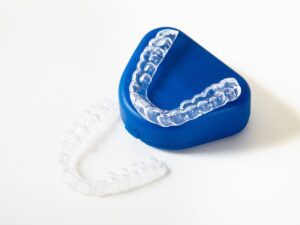
Clear aligners in Lower Hutt are a series of custom-made, removable plastic trays. Each tray is slightly different to the last, and together they guide the teeth through a planned sequence of movements. The trays are worn for approximately 20 to 22 hours per day and are swapped every two weeks for the next set in the series.
Appearance
This is often the deciding factor for adult patients. Clear aligners are very discreet and are often not noticeable during normal conversation, though visibility can vary depending on the individual case. Traditional metal braces are much more noticeable, though ceramic or tooth-coloured brackets can reduce visibility somewhat.
For patients who are self-conscious about the appearance of orthodontic treatment particularly in professional or social settings clear aligners tend to be the preferred option.
Lifestyle and Practicality
Because clear aligners are removable, they offer more flexibility around eating, drinking, and daily routines. There are no food restrictions; you simply remove the trays before meals and replace them afterwards. Cleaning your teeth is also straightforward as you brush and floss as normal.
Fixed braces require more care around oral hygiene. Food can become trapped around brackets and wires, and cleaning thoroughly takes more time and attention. Certain foods particularly hard, sticky, or chewy ones should be avoided to prevent damage to the braces.
Treatment Effectiveness
Both clear aligners and traditional braces can produce good results when used for appropriate cases. Traditional braces have a longer track record and are generally considered better suited to complex orthodontic issues, including significant bite corrections, rotations, and cases requiring precise control of tooth movement in multiple directions.
Clear aligners have improved considerably in recent years and can effectively address a wide range of mild to moderate cases. For straightforward alignment and spacing concerns, they can produce comparable results to fixed braces for suitable patients.
If your case involves significant bite issues or complex tooth movements, your dental team may recommend fixed braces as the more appropriate option. In some situations, a combination approach may also be considered.
Patient Compliance
One important practical difference is that clear aligner treatment requires commitment from the patient. For treatment to progress as planned, the trays need to be worn consistently for 20 to 22 hours per day. If this does not happen reliably, treatment may take longer or produce less predictable results.
Fixed braces remove this variable entirely because they are bonded to the teeth, they work continuously. For patients who are concerned about their ability to maintain consistent aligner wear, braces may be the more reliable choice.
Comfort and Adjustment Period
Both treatment options involve an adjustment period as your teeth begin to move. With clear aligners, patients often describe a feeling of pressure when switching to a new set of trays, which typically settles within a day or two. Because there are no brackets or wires, irritation to the cheeks and lips is generally minimal.
With fixed braces, some initial soreness is also common, particularly after adjustments when the wire is tightened. Brackets and wires can sometimes cause irritation to the inside of the mouth, though orthodontic wax can help reduce discomfort.
Over time, most patients adapt and become comfortable with the feel of braces, and your dentist in Lower Hutt will guide you through each stage of the adjustment process.
Maintenance and Repairs
Clear aligners require regular care to keep them clean and clear. They should be rinsed and gently cleaned daily to prevent staining or odour. Because they are removable, there is also a risk of misplacing or damaging them if not handled carefully.
Fixed braces, while not removable, may occasionally require repairs if a bracket becomes loose or a wire breaks. This can mean an additional visit to the dental clinic. Maintaining good oral hygiene is also particularly important with braces to prevent plaque build-up around the brackets.
Which Option Is Right for You?
There is no single answer that applies to everyone. The right orthodontic treatment depends on the nature and complexity of your case, your lifestyle preferences, your age, and your personal priorities. A thorough assessment by your dental team is the best way to determine which option is appropriate.
- Some questions worth considering before your consultation:
- How important is the appearance of your orthodontic treatment to you?
- How disciplined are you likely to be about wearing aligners consistently?
- Do you have complex bite issues or is it mainly a cosmetic concern?
- How much flexibility do you want around eating and oral hygiene?
Orthodontic Treatment at Hutt Dental Hub, Lower Hutt
At Hutt Dental Hub, both fixed braces and ClearChange clear aligners are available as orthodontic treatment options. ClearChange is a NZ-made clear aligner system, and treatment begins with a digital scan to create a personalised plan. Fixed brace treatment is also offered for patients where this is the more appropriate clinical choice.
The clinic is located at 135 Witako Street, Epuni, Lower Hutt, and is open Monday to Friday, 8:30am to 5:30pm. A consultation with the team is the best starting point to find out which option is most suitable for your teeth and your goals.
Frequently Asked Questions
Are clear aligners as effective as traditional braces?
For mild to moderate orthodontic cases, clear aligners can produce results that are comparable to traditional braces. For more complex cases including significant bite issues, large rotations, or cases requiring careful control of tooth position, fixed braces may offer more precise outcomes. Your dental team will be honest with you about which option is better suited to your specific situation.
Can adults get traditional braces?
Yes braces are not just for children and teenagers. Many adults choose fixed braces, particularly when their case is more complex or when they have been advised that aligners may not achieve the desired result. Ceramic brackets, which are tooth-coloured, can make braces less noticeable for adult patients who are concerned about appearance.
How long does orthodontic treatment take with each option?
Treatment duration varies considerably depending on the complexity of your case and which option you choose. Clear aligner treatment can range from a few months for simple cases to over a year for more involved ones. Traditional brace treatment typically ranges from one to three years. Your dental team may provide you a realistic timeframe based on your assessment. Suitability, timelines, risks, costs, and outcomes vary and will be discussed during consultation.
What happens after orthodontic treatment finishes?
Regardless of whether you have had aligners or braces, a retainer is usually recommended after treatment. This helps maintain the new position of your teeth, which can gradually shift back over time without retention. Retainers may be removable or fixed behind the teeth your dental team will advise which type is appropriate.
Conclusion
Both clear aligners and traditional braces are effective orthodontic tools. The key is choosing the one that suits your specific teeth, your lifestyle, and the level of treatment complexity your case requires.
If you are weighing up your options in Lower Hutt, the team at Hutt Dental Hub can assess your teeth and help you understand which approach is likely to give you the best outcome. A consultation is the best place to start.
Source Urls:
- https://aaoinfo.org/treatments/aligners/
- https://pmc.ncbi.nlm.nih.gov/articles/PMC7018497/
- https://www.colgate.com/en-us/oral-health/adult-orthodontics/clear-aligners-or-metal-braces-heres-how-to-choose
- https://pmc.ncbi.nlm.nih.gov/articles/PMC10509397/

Hutt Dental Hub is a dental clinic serving the Lower Hutt community. Our dentist in Lower Hutt provides a wide range of services including general dentistry, dental implants, orthodontics, emergency appointments, and dental sedation. Using advanced 3D digital technology, we deliver accurate, patient-focused care. As NZDA members, our team is committed to ongoing professional development and best practice.