

Losing a tooth can feel unsettling whether it happens suddenly from an injury or gradually from gum disease. Beyond the way it looks, a missing tooth can make everyday things like eating and speaking a little harder. Over time, it can also affect the health of your surrounding teeth and jaw.
If you have been looking into ways to replace a missing tooth, you have probably come across dental implants. In modern dentistry, dental implants are widely regarded as the gold standard option for tooth replacement. They are designed to closely mimic the structure of a natural tooth from the root to the visible crown.
This article explains what dental implants are, how they work, and why many dentists recommend them over other options. If you are based in Lower Hutt and exploring your options, this guide is a helpful place to start.
What Exactly Is a Dental Implant?
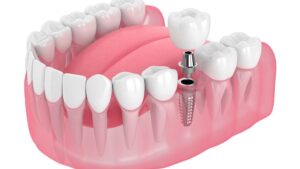
A dental implant is a small titanium post that is surgically placed into the jawbone. It acts as an artificial tooth root. Once the implant has fused with the surrounding bone in a process called osseointegration a custom crown is attached on top to replace the visible part of the tooth.
The result is a replacement tooth that looks, feels, and functions similarly to a natural one. Implants can be used to replace a single missing tooth, several teeth, or in some cases, all of the teeth.
Unlike dentures or bridges, a dental implant in lower hutt is placed directly into the jawbone. This gives it a level of stability that other options may not provide. The implant does not rely on neighbouring teeth for support, which helps protect the rest of your natural smile.
How Do Dental Implants Compare to Other Options?
There are several ways to replace a missing tooth. The most common alternatives to implants are dental bridges and dentures. Each option has its own advantages, and the right choice depends on your individual circumstances.
Dental Bridges
A bridge is a fixed restoration that fills the gap left by a missing tooth. It uses the neighbouring teeth as anchors, which means those teeth need to be reshaped to support the bridge. Bridges are a proven solution and do not require surgery, but they do not address the loss of the underlying root or bone.
Dentures
Removable dentures can replace multiple missing teeth at once. They are generally more affordable upfront, but they can shift or become uncomfortable over time. They also require regular removal for cleaning and may need adjusting as the jaw changes shape.
Dental Implants
Implants replace both the root and the crown of a missing tooth. Because they integrate into the jawbone, they help support bone health in that area over time. They do not require alteration of neighbouring teeth and are designed to be a long-term solution when properly cared for.
The Benefits of Choosing Dental Implants
There are several reasons why dental professionals and patients alike consider implants a strong option for tooth replacement. Here is a closer look at the key benefits.
They Function Like Natural Teeth
Because an implant is anchored into the jawbone, it provides a stable base for chewing and speaking. Most people find that after the healing process, their implant tooth feels natural and comfortable during everyday activities.
They May Help Preserve Bone Health
When a tooth is lost, the jawbone in that area can gradually begin to lose density over time. An implant root may help stimulate the bone, which can support the structure of the jaw and surrounding teeth. This is one of the reasons implants are often recommended when suitable.
They Do Not Rely on Neighbouring Teeth
Unlike a dental bridge, an implant stands on its own. Your neighbouring natural teeth are not altered or used as supports. This helps preserve more of your existing healthy tooth structure.
They Are Designed to Last
With good oral hygiene and regular dental check-ups, dental implants may last many years. The crown attached to the implant may need replacing over time, but the implant itself is designed to be a durable, long-term solution. Individual outcomes vary depending on oral health habits and other factors.
They Look and Feel Natural
Implant crowns are custom-made to match the colour, size, and shape of your existing teeth. Most people find it difficult to distinguish them from natural teeth both visually and when biting and chewing.
Who Might Be a Good Candidate for Dental Implants?
Dental implants may suit a wide range of people, but they are not necessarily appropriate for everyone. During a consultation, your dentist in Lower Hutt will consider a number of factors before recommending this treatment.
Some of the key considerations include:
- Sufficient jawbone density to support the implant
- Healthy gums and overall oral health
- No uncontrolled medical conditions that may affect healing
- A commitment to good oral hygiene and regular dental visits
- Non-smokers, or those willing to stop smoking during the healing process
If bone density is a concern, a bone graft may sometimes be recommended to prepare the area first. This can extend the overall treatment timeline, but it may still allow implants to become a viable option for some patients.

What Does the Dental Implant Process Look Like?
The implant process takes place across several appointments over a period of months. Here is a general overview of what to expect individual treatment plans will vary.
Initial Consultation and Assessment
Your dentist will carry out a thorough examination, including X-rays and in some cases a CBCT scan, to assess your bone structure and overall oral health. This helps determine whether implants are a suitable option and what preparation, if any, may be needed.
Implant Placement
The titanium implant is placed into the jawbone during a surgical procedure. Local anaesthetic is used to keep you comfortable. After placement, the implant is left to heal and fuse with the bone over a period of several weeks to a few months.
Attaching the Crown
Once the implant has integrated successfully, a custom-made crown is fitted on top. This is the visible part of your new tooth. Your dental team will ensure the crown matches your natural teeth and feels comfortable in your bite.
Ongoing Care
Like natural teeth, implants require regular brushing, flossing, and dental check-ups to maintain their condition. Your dental team can advise on the best care routine for your individual situation.
Dental Implants in Lower Hutt
If you are based in Lower Hutt and considering dental implants, Hutt Dental Hub can help guide you through the process. While implant procedures are carried out at a partner clinic Central Hutt Dental the team at Hutt Dental Hub works closely with them to ensure your care is coordinated and seamless.
Your background information is shared between clinics so you receive continuity of care throughout treatment. If you have questions about whether implants may be right for you, reaching out to the team at Hutt Dental Hub is a good first step.
Frequently Asked Questions
Are dental implants painful?
The surgical placement of a dental implant is carried out under local anaesthetic, so the area will be numb during the procedure. Some tenderness and mild discomfort in the days following surgery is normal, and this is usually manageable with over-the-counter pain relief. Most patients find the experience more straightforward than they expected. Your dental team can advise you on what to expect and how to manage any discomfort during recovery.
How long do dental implants last?
Dental implants are designed to be a long-term solution. With proper oral hygiene and regular dental check-ups, the implant itself may last many years or even decades. The crown attached to the implant can experience wear over time and may need replacing at some point, but outcomes vary depending on individual circumstances and how well the implant is maintained.
Can anyone get dental implants?
Not everyone is immediately suitable for dental implants. Factors such as bone density, gum health, and certain medical conditions can affect eligibility. However, many people who are initially told they may not qualify due to bone loss, for example may still become candidates after preparatory treatments such as a bone graft. A thorough assessment with your dental team will help determine the best option for your situation.
How much do dental implants cost in New Zealand?
The cost of dental implants in New Zealand varies depending on the complexity of treatment, the number of dental implants required, and any preparatory procedures needed. Because implants involve multiple appointments over several months, the overall investment tends to be higher than other tooth replacement options. However, many patients consider the long-term durability and natural feel to be worthwhile. Flexible payment options may also be available. It is worth asking your dental clinic about what is on offer.
Conclusion
Missing teeth are more common than many people realise, and there are now well-established options available to address them. Dental implants stand out as one of the most thorough tooth replacement solutions in modern dentistry replacing both the root and the crown, supporting long-term oral health, and looking and feeling natural.
As with any dental treatment, results depend on individual factors, and a personalized consultation is the best way to find out whether implants are the right fit for you.
At Hutt Dental Hub in Lower Hutt, the friendly team is available to answer your questions and help you understand your options. Taking that first step towards a healthier smile is often easier than you might think.