

Your dentist has mentioned a dental crown and now you are wondering what that actually means, whether you really need one, and what the whole process involves. It is a common situation, and having a clear understanding of what a crown does can make the decision feel a lot more straightforward.
A dental crown is one of the most widely used restorations in dentistry. It is used to protect, restore, and strengthen a tooth that has been damaged, weakened, or significantly worn down. Crowns are also used in combination with other treatments, such as dental implants and bridges.
This guide covers everything you need to know from what a dental crown is and when it is recommended, to the materials used and what to expect during the process. If you are based in Lower Hutt, this is a helpful starting point before your consultation.
What Is a Dental Crown?
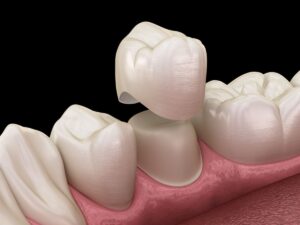
A dental crown is a custom-made cap that fits over an existing tooth. It covers the entire visible portion of the tooth, everything above the gum line, restoring its shape, size, strength, and appearance. If you are considering a dental crown in Lower Hutt, this treatment offers a reliable way to protect and improve damaged teeth while maintaining a natural look.
Crowns are cemented firmly into place, meaning they are not removable like a denture. Once fitted, a crown functions just like a natural tooth and is designed to blend in with your surrounding teeth in terms of colour and shape.
The tooth underneath the crown is still present; it is reshaped and prepared to allow the crown to fit securely over it. The crown then acts as a protective outer shell, shielding the remaining tooth structure from further damage.
When Might You Need a Dental Crown?
There are several situations where a dental crown may be the most appropriate treatment option. Your dentist will carry out a thorough assessment of your oral health before making any recommendation.
Here are the most common scenarios where a crown may be suggested:
1) To protect a weakened or cracked tooth
A tooth that has been significantly weakened by decay, or one that has developed a crack, may be at risk of breaking further. A crown can hold the tooth together and protect it from additional damage.
2) To restore a broken or worn-down tooth
If a tooth has already broken or has been worn down over time for example due to teeth grinding a crown can rebuild its shape and restore normal function.
3) To support a tooth with a large filling
When a large portion of a tooth has been filled and there is not much natural tooth structure remaining, a crown may be recommended to provide additional support and reduce the risk of the tooth fracturing.
4) After root canal treatment
Following root canal treatment, a tooth can become more brittle. A crown is often placed over the tooth to protect it and help it withstand the forces of biting and chewing.
5) To cover a dental implant
A crown is the visible component placed on top of a dental implant. It is custom-made to match your natural teeth and completes the implant restoration.
6) To anchor a dental bridge
Crowns are placed on the teeth on either side of a gap to support and hold a dental bridge in position.
7) For cosmetic improvement
In some cases, a crown may be used to improve the appearance of a tooth that is severely discoloured, misshapen, or has not responded well to other cosmetic treatments.
Not sure if you need a crown?
The right treatment depends on the condition of your tooth and your overall oral health. A thorough examination at Hutt Dental Hub can help determine the most appropriate option for your situation.
What Materials Are Dental Crowns Made From?
Dental crowns can be made from several different materials, each with its own characteristics. Your dentist will discuss which option is most suitable based on the location of the tooth, your bite, and your preferences.
Ceramic or Porcelain
Ceramic and porcelain crowns are designed to closely match the colour and appearance of natural teeth. They are a popular choice for front teeth where aesthetics are a priority. Modern ceramic materials are durable and can hold up well under normal biting forces.
Porcelain Fused to Metal
These crowns have a metal base for strength, with a porcelain outer layer for a natural appearance. They offer a balance of durability and aesthetics, though the metal base may occasionally show as a dark line near the gum over time.
Metal Alloys
Metal crowns often made from gold or other alloys are highly durable and require less removal of the natural tooth structure compared to some other options. They are typically used for back teeth where strength is the priority and visibility is less of a concern.
Zirconia
Zirconia is a strong, tooth-coloured material that has become increasingly common in modern dentistry. It combines good aesthetics with durability, making it a suitable option for both front and back teeth in many cases.
What Does the Dental Crown Process Involve?
Getting a dental crown typically takes place over two appointments, though this can vary depending on the clinic and the complexity of your situation.
First Appointment Preparation and Impressions
Your dentist will examine the tooth and prepare it by reshaping it slightly to create space for the crown to fit over it. A professional dentist in Lower Hutt will ensure this process is carried out with precision and care. Local anaesthetic is used to keep you comfortable during this stage.
Once the tooth is prepared, impressions or digital scans are taken to capture the exact shape and bite. A professional dentist in Lower Hutt uses these details to fabricate your custom crown for a precise fit. A temporary crown is usually fitted to protect the tooth while the permanent one is being made.
Second Appointment Fitting the Crown
When your permanent crown is ready, the temporary one is removed and the new crown is checked for fit, shape, and colour. Any minor adjustments are made before it is cemented firmly into place.
Your dentist will also check that your bite feels comfortable and make any fine adjustments as needed. Once fitted, the crown functions and looks like a natural tooth.
Treatment timelines may vary
The number of appointments and overall timeframe depends on your individual treatment plan. Your dental team at Hutt Dental Hub will walk you through what to expect before treatment begins.

How Do You Care for a Dental Crown?
Caring for a dental crown is straightforward and largely the same as caring for your natural teeth. The crown itself cannot develop decay, but the tooth underneath and the surrounding gum tissue still need proper care.
1) Brush twice daily with a soft-bristled toothbrush
2) Floss daily, including around the base of the crown where it meets the gum
3) Avoid biting down on very hard foods or using your teeth to open packaging
4) If you grind your teeth at night, let your dentist know a night guard may be recommended
5) Attend regular dental check-ups so your dentist can monitor the crown’s condition
With good oral hygiene and routine dental visits, a crown can last for many years. How long a crown lasts depends on the material used, the location of the tooth, and how well it is maintained. Individual outcomes vary.
Dental Crowns at Hutt Dental Hub, Lower Hutt
At Hutt Dental Hub, the team carries out a thorough assessment of your oral health before recommending any treatment. If a dental crown is the right option for you, moulds or digital scans of your teeth are taken to ensure the crown is custom-fitted and matches your natural teeth in colour and shape.
The clinic is located at 135 Witako Street, Epuni, Lower Hutt, and is open Monday to Friday, 8:30am to 5:30pm. If you have a damaged or weakened tooth and are unsure of your options, getting in touch with the team is a good first step.
Frequently Asked Questions
Is getting a dental crown painful?
The preparation and fitting of a dental crown is carried out under local anaesthetic, so you should not feel pain during the procedure. Some sensitivity or mild discomfort in the days following treatment is normal, particularly around the gum area. This generally settles on its own. Your dental team will advise you on what to expect and how to manage any discomfort after your appointment.
How long does a dental crown last?
The lifespan of a dental crown depends on the material it is made from, where in the mouth it is located, and how well it is cared for. With good oral hygiene and regular dental check-ups, crowns can last many years. Back teeth tend to experience more wear from chewing, which may affect longevity over time. Your dentist can give you a better indication based on your specific crown and oral health.
Can a dental crown fall off?
It is uncommon, but a crown can occasionally become loose or come off usually due to the cement washing out over time, a change in the shape of the underlying tooth, or a blow to the mouth. If your crown feels loose or comes off, contact your dental clinic as soon as possible. Avoid using the tooth to bite and keep the crown safe so your dentist can assess whether it can be re-cemented or needs to be replaced.
Is a dental crown the same as a dental cap?
Yes the terms dental crown and dental cap refer to the same thing. Both describe the tooth-shaped covering that is placed over a prepared tooth to restore its shape, function, and appearance. The term crown is more commonly used in a clinical setting, but cap is also widely understood.
Conclusion
A dental crown is a well-established and versatile restoration that can address a range of tooth problems from protecting a cracked tooth to completing a dental implant. Understanding what a crown does and when it is recommended can help you feel more informed and confident when discussing your treatment options with your dentist.
As with all dental treatments, the right approach depends on your individual circumstances. A thorough consultation is the best way to get clarity on what your tooth needs.
If you are based in Lower Hutt and would like to find out more about dental crowns, the team at Hutt Dental Hub is happy to help. Book a consultation to discuss your options and get a personalized treatment plan tailored to your oral health.